Modern Shelving Ideas to Revamp Your Living Room
Intro
Creating a comfortable and aesthetically pleasing living room often hinges on the right storage solutions. Shelving has evolved beyond mere utility; it’s now a powerful design element that influences the overall feel of a room. In this exploration of modern shelving for the living room, we’ll journey through various design trends and innovative materials that elevate aesthetics and functionality.
Homeowners, interior designers, and DIY enthusiasts alike are sure to find value in the insights shared here, as they navigate the ever-changing landscape of modern interior design. We’ll unpack the contemporary styles and vintage inspirations that inform today’s shelving choices, as well as spotlight sustainable materials and the newest smart furniture technologies that are transforming the way we think about our living spaces.
Let’s jump right into these exciting trends that help to not just store but also display our lives, making our living rooms truly reflective of our tastes and lifestyles.
Preface to Modern Shelving
In the realm of interior design, shelving often stands as an unsung hero. It goes beyond mere storage; it serves as an essential aspect of home aesthetics and functionality. Modern shelving is not just about holding books or decor; it’s about crafting a narrative within your living space. An expertly designed shelf can tie together different elements of a room, showcasing personal interests while optimizing space in stylish ways.
Defining Modern Shelving
What exactly qualifies as modern shelving? It is a term that broadly encompasses a variety of styles, materials, and functional designs suited for today's spaces. Traditionally, shelving might have been synonymous with heavy wooden constructions or traditional cabinetry. However, modern shelving breaks from the past, emphasizing versatility, sleek lines, and innovative materials such as metal, glass, and even sustainable options. Think of modular systems that can adapt to changing needs or wall-mounted designs that provide a sense of openness in small rooms.
Modern shelving can be classified into several types:
- Wall-mounted shelves: Perfect for utilizing vertical space without occupying floor area.
- Freestanding units: These allow for flexibility in arrangement and can be moved as your decor changes.
- Corner shelves: Making use of often wasted space while adding a unique flair.
- Floating shelves: Offering a minimalist look that can make a room feel more spacious.
Each of these options enhances the spatial dynamics of a room while adding a visual statement.
Importance of Shelving in Living Spaces
So, why does shelving hold such significance within living rooms? For starters, it's about organization. A well-thought-out shelving system can eliminate clutter while keeping essential items within reach. Imagine incoming guests being greeted not by chaos but by an elegantly arranged collection of books, photographs, or decorative items.
Moreover, it plays a crucial role in personal expression. Shelves can reflect your tastes, aspirations, and experiences, providing a stage for artful arrangements that tell your story.
Functionality is another cornerstone of modern shelving. In busy households, the right shelving can transform your living room into a multifunctional area that accommodates relaxation, entertaining, and even work. A strategically placed shelf can serve as a divider, creating distinct zones for various activities without any permanent changes to your space.
"In contemporary design, nothing should be taken for granted, not even a simple shelf."
In summary, modern shelving systems are an important element of living spaces, combining aesthetics with functionality to create a harmonious environment. The way we utilize our shelves undoubtedly influences the overall feel of our homes, making thoughtful shelving choices pivotal to creating a space that is both inspiring and practical.
Design Trends in Modern Shelving
Understanding the design trends in modern shelving helps not just in aesthetics but in illustrating how our living spaces have evolved. Today, shelving does more than hold books or knickknacks; it’s a canvas for creativity and functionality. Whether you’re aiming for a striking statement piece or subtle elegance, staying updated with current trends can significantly influence the overall ambiance of your living room. Key aspects to consider include how these trends reflect technological advancements, material innovations, as well as the growing emphasis on personal expression in home decor.
Minimalist Aesthetics
Minimalism isn’t merely about less; it captures the essence of simplicity and purpose. In the realm of shelving, a minimalist approach often translates to clean lines and subdued colors. Open shelving systems invite light and air, breaking the barriers of claustrophobic spaces. This trend encourages streamlined arrangements that allow each item to shine, creating a pleasing visual balance. For example, a simple wooden shelf with only a few selected decor pieces can accentuate the openness of a room.
The beauty of minimalism lies in its adaptability. A well-chosen shelf can fit seamlessly into any decor style, whether you prefer contemporary chic or a more rustic vibe.
Industrial Styles
Industrial shelving embraces a raw aesthetic. Often featuring metal frames and unfinished wood, it conveys a sense of ruggedness and practicality. Think exposed pipes, steel brackets, and reclaimed wood that offer a storied past to new designs. This style can be particularly impactful in urban lofts or spaces with a more utilitarian feel. Beyond merely functional, industrial shelving can evoke nostalgia, linking modern living with historical undertones.
Incorporating such shelving into your living room can enhance its character. It's not just a shelf; it's a discussion starter—a piece that tells a story. Consider placing an industrial shelving unit as a room divider, allowing it to serve dual purposes while showcasing your personality through decoration.
Scandinavian Design Principles


When one thinks of Scandinavian designs, warmth and functionality instantly come to mind. Characterized by a focus on both beauty and practicality, Scandinavian shelving often employs light-colored woods, clean lines, and airy spaces. Shelves in this style are designed to maximize functionality while maintaining an inviting atmosphere. This is crucial for creating cozy corners in the living room.
The ethos of Scandinavian design is simple: beauty should be demystified; thus, there’s often an emphasis on sustainability. Investing in shelving made from responsibly sourced materials not only speaks to your aesthetic sense but underscores an appreciation for the environment. Subtle yet striking, these pieces can transform a dull wall into a soothing exhibition.
Bold Colors and Patterns
Venturing into bold colors and patterns can truly redefine a space. Why settle for plain white if a pop of teal or mustard yellow can brighten your living room? Shelving units that play with these elements can act as striking focal points. Textured shelves painted with geometric patterns or a vibrant hue can capture attention, moving it away from overly neutral designs that lack personality.
Such choices don't merely beautify; they invigorate a room, injecting energy and warmth. Think of how a deep emerald green shelf could complement warm wood tones or how patterned wallpaper behind open shelving creates an artful backdrop for your belongings. Each shelf can turn into a statement, inviting conversations and creating visual intrigue while reflecting your personal style.
Materials Used in Modern Shelving
Understanding the materials used in modern shelving is essential, as it shapes not just the aesthetic appeal of a living room, but also influences its practicality and durability. Each material comes with its own set of benefits and considerations, and knowing these can greatly enhance the decision-making process for homeowners and designers alike. From wooden frameworks to metal accents, and even the incorporation of sustainable substances, the right choice can transform a mundane space into a stylish and functional sanctuary.
Wood: Classic vs. Contemporary
Wood has long stood as a favored choice in shelving, belonging to both classic and contemporary styles. The beauty of wood lies in its ability to evoke warmth, which is particularly inviting in a living space. Classic wooden shelves often boast intricate details and robust forms, making them perfect for traditional interiors. On the other hand, contemporary wooden designs often favor sleek lines and more understated profiles.
When selecting wood, be mindful of the grains and finishes. For instance, oak brings a sturdy presence, while bamboo adds an eco-friendly twist. Pine can provide a lighter, more airy feel, perfect for keeping a space feeling open. Factors like the finish also matter, as matte versus glossy surfaces can change how light interacts with the wood. Ultimately, a well-chosen wooden shelf offers both functionality and aesthetic appeal, combining durability with the potential for customization.
Metal Shelving Solutions
Metal shelves are growing increasingly popular in modern design. They’re often chosen for their strength and industrial aesthetic. Metal is perfect for those who wish to add a bit of an edge to their living room design. Steel and wrought iron are the usual suspects when it comes to robustness, providing shelves that not only withstand heavy items but also serve as striking focal points.
With metal, versatility reigns. Finishes can range from raw and rustic to polished and sleek, catering to diverse decorative tastes. For instance:
- Powder-coated finishes introducing an array of colors, can make metal shelving pop against neutral walls.
- Brushed metal lends a softer touch, often complementing modern furniture.
It’s good to remember that while metal shelves add a contemporary flair, they should be anchored properly to maintain stability and safety.
Glass Elements in Shelving Designs
Incorporating glass into shelving designs has become a significant trend. The transparency of glass creates an illusion of space, making it an excellent material for small living rooms. Not only does it look elegant, but it also allows for the display of decorative items without the visual clutter typical with heavier materials.
Tempered glass shelves are particularly popular, delivering strength along with style. They’re often supported by metal brackets or wooden frames, providing the necessary support without compromising on the open feel. Glass can also be backlit, enhancing the drama of your display while contributing to ambient lighting in the room. However, it’s worth noting that glass requires regular cleaning, so maintenance might be a consideration for some.
Sustainable Materials in Furniture Design
Sustainability is at the forefront of many design discussions, and the materials chosen for modern shelving should align with eco-friendly practices. Many manufacturers now offer shelving solutions crafted from reclaimed wood, recycled metal, and bamboo, which not only reduce waste but also offer unique aesthetic qualities.
Considerations for sustainable materials include:
- Source Verification: Ensure the material is obtained from sustainable practices.
- Durability: Opt for materials that not only look great but also last long and support heavy loads.
- Local Production: Choosing locally sourced materials can cut down on transportation emissions, making a smaller carbon footprint a reality.
Using sustainable materials not only contributes positively to the environment, but it also sends a message about the values you hold dear in your living space. Making thoughtful choices in the materials used for shelving can lead to a home that is not just beautiful and functional but also responsible.
Functionality in Modern Shelving
The term functionality in modern shelving goes beyond just the aesthetic appeal—it’s about making the most out of the space while catering to the needs of homeowners. Every living room has its own unique footprint, and understanding how to maximize that space with smart shelving solutions is key. When done right, shelving can seamlessly blend beauty with utility, allowing the space to feel refined yet practical.
Utilizing Vertical Space
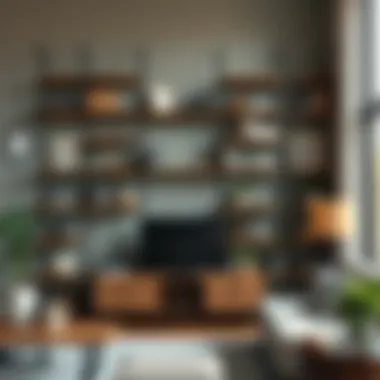

Many homeowners overlook the power of vertical space when arranging their living rooms. Walls are not merely barriers; they can serve as impressive canvases for showcasing personality. By putting shelves high on walls, you can draw the eye upward, making the space seem larger than it actually is.
Often, these higher shelves can house items that are seldom used but still worth displaying, like family heirlooms or decorative art pieces. The trick is to balance aesthetics with accessibility. Ladder-style shelving units can provide a stylish ascent while also ensuring that the most-used items remain within reach. Consider integrating wall-mounted options–they create a floating effect and free up floor space, stirring the imagination towards a more open layout.
Incorporating Multi-Functionality
The modern lifestyle calls for versatility, and that is where multi-functional shelving comes to play. Imagine a shelf that can act as a room divider, complete with compartments to store books, plants, or even craft supplies. This form of shelving serves dual purposes: it delineates spaces while offering functionality, making it invaluable in smaller living areas.
Wall units designed to serve as both shelving and lighting fixtures can bring an ambient glow during cozy evenings. Not to forget, some cleverly designed pieces incorporate workspaces within them, enabling one to create a mini office nook right in the living room. With multi-functional designs, each piece of furniture can efficiently cater to more than one requirement.
Creating Focal Points in Living Rooms
In any living space, creating a focal point through shelving can transform a mundane wall into a visual masterpiece. A boldly designed shelf can serve as an anchor for the room, directing attention away from clutter and towards more curated objects.
For instance, a vibrant floating shelf can catch the eye, while delicately displaying a collection of unique souvenirs or books. By incorporating artworks or framed photos above or within the shelving, one can create a distinctive tableau that sparks conversation. The goal is to amalgamate design with intent, ensuring that the shelves don’t merely occupy space but rather enhance the entire room’s character.
"Embracing functionality in modern shelving is not just about form and function, but also about creating a sense of identity within your space."
The key to achieving optimum functionality in modern shelving lies in understanding one’s needs and the dynamics of the living space. With strategic use of vertical space, multi-functional elements, and thoughtful designs, shelving can elevate a living room from mere decor to a harmonious blend of style and usability.
Style Integration in Living Rooms
Style integration is the backbone of an inviting and harmonious living room. When it comes to modern shelving, how it fits into the existing decor can be a game changer. Forget about mismatched styles clashing like oil and water; proper integration of shelving can elevate a room's aesthetic.
Modern shelving often serves as a canvas for displaying books, art, and memorabilia. Thus, blending it with your existing decor enhances not just form but also function. When you align your shelving with the style of your living room, it creates a sense of cohesiveness and flow that can significantly enhance the overall ambiance of the space.
A well-integrated shelf can also maximize your space effectively, showcasing your personality while keeping clutter at bay. All in all, style integration allows you to set a tone—be it cozy, minimalist, or eclectic—creating an inviting retreat in your home.
Building Around Existing Decor
Aligning new shelving designs with the existing decor requires careful consideration. Start with understanding the color palette and materials already present in your living room. For instance, if your space boasts rustic wooden furniture, choosing wooden shelves with a similar finish can enhance that cozy vibe. On the contrary, if the decor has a contemporary flair, sleek glass or metal shelves could complement the look beautifully.
Here are some points to ponder:
- Match Materials: Ensure the materials used in your shelving mirror those of the around it.
- Color Coordination: Keep the color scheme consistent to avoid jarring contrasts.
- Scale and Proportion: Choose shelf dimensions that complement your furniture size and layout.
Effective integration should be seamless, making the shelving an extension of your design rather than an afterthought. Remember, the goal is to create a unified visual story.
Mixing Shelving Styles with Other Elements
Mixing various shelving styles can lead to an intriguing visual dynamic—like spices in a recipe. That said, finding a balance is crucial. Combining different materials or designs doesn’t mean chaos; rather, it can offer personality to your space.
Consider blending floating shelves with a freestanding unit. The play of depth between the two can lead to a layered look. Likewise, pairing rustic wooden shelves with sleek modern decor can result in an inviting yet sophisticated environment. But keep in mind:
- Create a Focal Point: Determine which shelf unit will act as a standout item.
- Balance is Key: Too much variety can overwhelm. Limit your choices to maintain harmony.
- Common Threads: Look for similarities in color, texture, or shape to tie different styles together.
These blending techniques not only distinguish your living room but also invite curiosity, making your space a conversation starter.
Cohesion Between Shelving and Functional Furniture
Cohesion between shelving and functional furniture is essential to create a seamless flow within the living room. It’s about ensuring that both elements work harmoniously rather than competing for attention. This can be achieved through thoughtful placement and strategic choices.

For example, a bookshelf could be placed next to a stylish armchair, creating a reading nook that is inviting and practical. Here’s how to ensure that your shelving harmonizes with your furniture:
- Purposeful Arrangement: Position your shelving to enhance the room layout. Don’t let it crowd essential paths.
- Complementary Styles: Stick to furniture styles that complement your shelving for a unified look.
- Functional Decor: Use shelving for functional items like books and decor items that reflect your functionality needs.
Getting this balance between function and design right can transform a standard living space into something more tailored and sophisticated.
"A cohesive design doesn’t just look good; it flows and feels like it belongs together."
In drafting your modern living room, the importance of thoughtful style integration cannot be overstated. A well-integrated shelving unit can be both a functional asset and an aesthetic focal point—a winning combination in any living space.
DIY Options for Modern Shelving
In today’s fast-paced world, where personalization matters more than ever, the DIY approach to modern shelving has gained significant traction. This section unpacks the relevance of DIY shelving options and why they resonate with homeowners, interior designers, decorators, and DIY enthusiasts alike. Custom-built shelves offer unique advantages such as cost-effectiveness, creative control, and the ability to tailor functionality to meet specific needs.
Whether you wish to showcase a carefully curated collection of books or create a safe haven for potted plants, DIY shelving gives you the reins to craft a solution that enhances your living space. The beauty of DIY is not limited to aesthetics; it also caters to functionality, allowing you to maximize the space in your home without sacrificing style.
Selecting Your Materials
Choosing the right materials is crucial in the construction of shelving units. The materials you select will not only determine the sturdiness of the shelves but will also impact the visual appeal of your living room. Here are some excellent options:
- Wood: A classic choice that offers warmth and versatility. From reclaimed wood to plywood, each type lends a different character.
- Metal: Often preferred for its industrial look, metal shelves are durable and work seamlessly in modern settings.
- Glass: Provides an airy, elegant feel, making it ideal for smaller rooms where visual space is at a premium.
Keep in mind the intended use of the shelves. If you're looking to hold heavy objects like books, go for sturdier materials. If aesthetics are your priority, balancing materials can also lead to stunning visual contrasts.
Simple Assembly Techniques
Assembling your own shelves might sound daunting, but with the right techniques, it can be a smooth journey. Here are some straightforward steps to guide you through the process:
- Measure Twice, Cut Once: Precision is key in DIY projects. Measure the wall space to determine the length and height of your shelves.
- Use Quality Tools: Investing in a few essential tools like a drill, level, and saw can make your assembly much simpler.
- Follow Clear Instructions: If you’re using pre-cut materials, stick to the instructions provided. They often come with assembly tips that save time and effort.
- Check for Levelness: Before securing anything to the wall, ensure everything is level. An off-kilter shelf can be difficult to fix later on.
These steps may seem basic, but they form the backbone of a successful DIY shelving project. By staying organized and employing a methodical approach, your results will reflect the effort you put in.
Personalizing Your Shelves
Personalization is the cherry on top when it comes to DIY shelving. It transforms a functional piece into a statement of your personal taste. Here are some ways to infuse your personality into your shelves:
- Color and Stain: Applying a fresh coat of paint or stain can breathe new life into your wood. Try bold colors for a modern look or soft pastels for a cozy touch.
- Decorative Elements: Incorporate decorative brackets, unique supports, or end caps to add flair.
- Function Meets Art: Use shelves to display art pieces, plants, or family photographs. This serves dual purposes, showcasing your unique style while keeping the room functional.
Ultimately, the most gratifying aspect of DIY shelves is that each piece reflects your individuality. This connection to your living space enhances not just the aesthetics but also fosters a sense of belonging.
By choosing DIY options for modern shelving, homeowners can both personalize their space and make practical, functional choices that align with their taste and needs.
Ending
As we wrap up our discussion on modern shelving, it's crucial to understand how these elements can transform a living space. Shelving isn't just about storing books or decorative items; it's a vital component in enhancing the functionality and aesthetic appeal of a room. By integrating thoughtful design with practicality, you can create a harmonious environment that reflects personal style while meeting everyday needs.
Summarizing Key Points
- Design Matters: The right shelving choice should align with your room’s overall design theme, whether it be minimalist or industrial.
- Material Selection: Recognizing the significance of materials — wood, metal, and glass — can lead to more informed decisions that not only focus on appearance but also on durability and sustainability.
- Functionality is Key: Modern shelving must serve multiple purposes. Whether it’s optimizing vertical space or providing a focal point, functionality should never be an afterthought.
- DIY Options: Embracing DIY shelving options allows for personalization and adaptability in design. It can be a fulfilling affair, giving homeowners the chance to tailor solutions to fit their unique spaces.
Future Trends in Shelving
Looking ahead, the future of shelving is bright and filled with innovative possibilities. Here are some trends that enthusiasts and designers should keep an eye on:
- Smart Shelving Solutions: As technology continues to evolve, so do our furniture solutions. Expect to see shelving integrated with smart home technology that can adjust lighting, display information, or even play music.
- Biophilic Design Elements: More people are gravitating toward nature-inspired designs. Shelving that incorporates greenery or uses natural materials can promote a sense of calm and well-being in living spaces.
- Modular Systems: Flexibility will be key. Modular shelving systems are becoming increasingly popular as they allow homeowners to customize their setups based on changing needs or preferences.
- Sustainable Practices: As the urgency for sustainability grows, there will be a push towards using recycled and eco-friendly materials in modern shelving designs. This not only reduces environmental impact but also meets demand for unique aesthetics.
These insights guide us in understanding that shelving transcends mere function; it plays a pivotal role in interior design that harmonizes utility with artistic expression, making life more organized and beautiful.