Market Insights on Blue Willow Bowls: Trends & Features
Intro
Blue willow bowls have a unique charm that transcends generations. Their intricate blue and white patterns are not just visually striking, but they also carry stories from centuries past. For both collectors and casual buyers alike, understanding the evolution of these bowls can enhance appreciation and provide deeper insight into their value. As they grace kitchen tables and shelves alike, it's worth taking a closer look at the market for blue willow bowls, examining their trends and insights for those interested in adding these elegant pieces to their collections or home decor.
The popularity of blue willow bowls has recently been on the rise, driven by a blend of nostalgia, aesthetics, and practicality. Homeowners keen on infusing character into their spaces, as well as decorators looking for timeless accent pieces, find a wealth of options in the world of blue willow. From vintage pieces with a historical narrative to contemporary interpretations that speak to modern sensibilities, the journey through this niche market reveals a tapestry of trends worth exploring.
In this article, we will dissect various facets of blue willow bowls: their design trends that appeal to current tastes, innovations in materials, and tips that guide purchasing decisions. Whether you aim to find a piece that sparks joy in your kitchen or seek more profound meaning through collectibles, understanding these aspects is vital in navigating this vibrant market.
Prelude to Blue Willow Bowls
The charm of blue willow bowls lies not only in their striking designs but also in their rich history and cultural significance. The allure of these ceramics draws collectors and casual buyers alike, creating a vibrant marketplace that weaves together art, history, and personal stories. In this section, we will delve into what blue willow bowls are, their defining characteristics, and the key historical moments that shape their identity today. Understanding the origins, trends, and overarching significance of these time-honored pieces is vital for anyone looking to add a touch of elegance to their home or collection.
Defining Blue Willow Bowls
Blue willow bowls are distinctive porcelain pieces that feature beautifully crafted designs often inspired by traditional Chinese motifs. The iconic blue-and-white color scheme is not just aesthetic; it tells stories through intricate patterns that reference nature and mythical scenes. Most notably, the motifs typically include pagodas, swans, and trees, all woven together into a cohesive narrative that is both visually stunning and imbued with symbolism.
These bowls can be dated back to the late 18th century and have found their way into homes around the globe. From everyday dining to decorative displays, they serve multiple purposes. For many, the appeal lies in their ability to bridge histories and cultures, making them a cherished addition in various settings, be it an elegant dinner table or a cozy kitchen shelf.
Historical Context
Origins of the Design
The origins of blue willow bowls trace back primarily to Chinese tea ware as early as the Ming Dynasty, but their popularization in Europe occurred in the late 1700s due to the rising fascination with all things foreign. English potters took inspiration from these traditional designs, resulting in what we now recognize as blue willow.
The key characteristic that helped blue willow gain popularity was its affordability compared to original Chinese porcelain. The new designs, mass-produced yet laden with artistic detail, made fine ceramics accessible to the burgeoning middle class in Britain. This led to an increase in domestic dining and hosting, which further entrenched blue willow bowls in cultural practices.
The unique feature of blue willow's origins lies in the merging of craft and storytelling. Each bowl often represents a piece of art with narratives deeply rooted in both Oriental and Western influences. This blend contributes to its status as a beloved collectible, intriguing to both history buffs and aesthetic seekers alike.
Cultural Significance Through the Ages
Blue willow has transcended its original purpose as simply dinnerware. It has woven its way into the fabric of various cultural contexts. The bowls serve not only as functional items but also as conversation starters and decor accents that reflect one’s taste and appreciation for history.
One notable aspect of their cultural significance is their role in narrative art. As society has evolved, so has the interpretation of the scenes depicted on blue willow bowls. For instance, they often depict romantic tales or moral lessons, capturing the imagination of each generation that encounters them. This ability to evoke stories makes blue willow bowls not just household items but vessels of artistry and culture.
In terms of advantages, the bowls come to symbolize elegance and appreciation for craftsmanship. However, the downside is that modern reproductions often dilute their authenticity, making it essential for buyers to be discerning.
Overall, the introduction of blue willow bowls has a multifaceted background that reflects changes in societal values, aesthetics, and cultural exchanges. By exploring these artistic nuances, buyers can better understand their value and relevance in today's market.
Design Characteristics of Blue Willow Bowls
When it comes to Blue Willow bowls, the design characteristics are not just about aesthetics; they speak volumes about their cultural history and the artistry involved in their creation. This section sheds light on what makes these bowls captivating to both collectors and casual enthusiasts alike. The designs are not merely surface decorations; they narrate stories and capture moments in time, instilling a sense of connection to past traditions. Understanding these characteristics can help buyers make informed decisions whether they seek to enhance their collections or simply appreciate a piece of history.
Classic Patterns and Motifs
Scenes Depicted
The scenes depicted on Blue Willow bowls are often a dramatic retelling of idyllic landscapes, featuring pagodas, elegant willow trees, and notable figures like the legendary lovers. These patterns do more than decorate the surface; they tell stories. The depiction of these romanticized locales lends a sense of nostalgia and adventure that appeals to people’s imaginations. They often evoke a longing for simpler times when craftsmanship was prioritized over mass production.
One key characteristic of these scenes is their intricate designs—often conveying deep meanings and cultural significance that resonate with both history buffs and decorators alike. Knowing the story behind each scene can deepen appreciation and enhance the joy of owning these pieces. However, enthusiasts must also be wary—some reproductions may oversimplify these motifs, losing the charm that authenticity brings.
The intricate scenes depicted on these bowls not only add beauty but also record the cultural values of the time.
Color Palette and Aesthetics
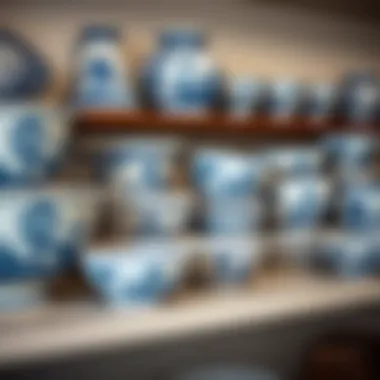
Moving on to colors, Blue Willow bowls typically showcase bold shades of blue set against a pristine white background. This classic color palette is not just pleasing to the eye; it represents a harmony that draws attention without overwhelming. The blue tends to evoke feelings of calmness and serenity, making these bowls desirable in both dining settings and as decorative items.
The unique features of this color palette—a striking contrast achieved through cobalt and underglaze techniques—make these bowls popular choices for decorators. However, the brilliance of the blue may fade over time if not cared for properly, which could detract from their aesthetic appeal. It's crucial for buyers to keep this in mind while adding these pieces to their collection, especially if they want to preserve that vibrant visual impact.
Material and Craftsmanship
Types of Materials Used
At the heart of Blue Willow bowls is their material; generally, these items are crafted from earthenware or porcelain. Each type has its own set of qualities that impact everything from durability to aesthetic value. Porcelain, known for its fine finish and strength, often fetches higher prices among collectors due to its historical context and elegance. Meanwhile, earthenware offers a rustic charm that appeals to those who appreciate a more traditional or folk-oriented aesthetic.
In the considerations of this section, it’s beneficial for buyers to understand the differences between these materials. Porcelain’s smooth surface is easier to clean and generally more resistant to chipping, while earthenware may present a more authentic, hand-crafted feel. However, earthenware could absorb stains if not properly glazed, posing a dilemma for potential buyers regarding care.
Crafting Techniques Employed
The techniques used in the crafting of Blue Willow bowls are nothing short of remarkable. Traditionally, artisans utilized methods like hand-painting and slip-casting, giving each bowl a unique touch. These techniques contribute not only to the items’ beauty but also to their value. Each brushstroke often tells a story of its maker, which makes for a deeper emotional connection.
Artisans often exhibit great skill, particularly in the detailing of motifs and scenes, which is why collectors often pay close attention to these aspects when evaluating a piece. However, the rise of machine production has led to an influx of bowls that lack this artisanal touch, diluting the uniqueness and cultural significance that authentic pieces hold. Buyers must weigh these factors carefully, deciding whether they prioritize unique craftsmanship over affordability.
Understanding these design characteristics equips potential buyers with the knowledge to appreciate, select, and care properly for Blue Willow bowls, whether they are decorative or functional pieces in a home.
Market Trends for Blue Willow Bowls
The market for blue willow bowls is a reflection of a confluence of nostalgia, artistry, and the enduring appeal of traditional craft. Understanding the intricacies of current market trends is vital for both collectors and casual buyers. These trends not only guide purchasing decisions but also shed light on the cultural significance these artifacts hold in modern settings.
Current Market Demand
Collector Interest
Collector interest in blue willow bowls has been on the rise, driven by a blend of historical appreciation and aesthetic value. Enthusiasts often cherish these bowls for their enchanting patterns and the stories they tell. This subculture of collecting has become a significant aspect of the market, forming communities where knowledge and passion intersect.
The key characteristic of collector interest lies in the uniqueness of each piece. Many collectors seek not just any blue willow bowl but ones with particular marks or historical provenance, which gives them tangible links to the past. This predilection fosters a sense of belonging among collectors and engages them in a shared narrative that spans generations.
The advantages are substantial. For one, a well-maintained rare bowl can appreciate considerably in value over time, making it a practical investment. However, it also poses certain challenges. The risk of purchasing a reproduction or an overly worn piece can deter novice collectors, necessitating a deeper understanding of what to look for in authenticity and quality.
General Consumer Trends
On a broader scale, general consumer trends indicate a growing fascination with vintage and artisanal home decor items, including blue willow bowls. With a shift towards sustainable and unique home accessories, consumers are gravitating towards items that convey individuality and history, rather than mass-produced alternatives. This inclination enhances the appeal of blue willow bowls, as they embody both artistic craftsmanship and cultural legacy.
Moreover, social influences play a substantial role in shaping this trend. As seen on platforms like Instagram and Pinterest, these bowls are often showcased in beautifully styled homes, piquing the interest of potential buyers. The allure is further amplified by the fact that they can be both functional and decorative, appealing to a wide range of consumers from interior designers to DIY enthusiasts.
However, despite their popularity, it's important to recognize potential downsides. The price range for these bowls can vary widely, and as demand increases, it may lead to inflated prices, complicating the buying landscape for everyday consumers. Understanding this dynamic is crucial for anyone looking to navigate the market effectively.
Price Range Analysis
Factors Influencing Pricing
Several factors come into play when discussing the pricing of blue willow bowls, from material specifics to craftsmanship quality. One significant factor is rarity; certain patterns or limited editions demand higher price tags due to their scarcity. Market conditions also shift depending on global economic situations, impacting buyers' willingness to invest.
Quality is another determining aspect. Bowls that display intricate hand-painted designs or are made from superior materials often see higher valuations. This characteristic resonates with buyers, as they generally prefer items that reflect artisanal workmanship.
On the flip side, not all bowls with decorative appeal command high prices. Older pieces may bear signs of wear and tear, affecting their value negatively. Therefore, it becomes imperative for buyers to weigh the pros and cons of the specific pieces they are considering.
Value Assessment of Vintage vs. Contemporary Pieces


Assessing the value of vintage versus contemporary blue willow bowls brings another layer of complexity to the market. Vintage pieces typically carry a premium due to their history and character. They often resonate strongly with collectors who wish to connect with the past.
Conversely, contemporary pieces are appealing to those looking for affordability and availability. Newer manufacturers often create bowls that mimic traditional designs but at a much lower cost. However, these can lack the depth and narrative present in their vintage counterparts.
The modern consumer may find attractive features in both categories. Vintage bowls, while possibly pricier, can sometimes serve as invaluable heirlooms or investment items. Meanwhile, contemporary options allow for broader access and experimentation without breaking the bank. It's essential for potential buyers to evaluate their personal appreciation for history versus functionality in making a purchase decision.
Where to Buy Blue Willow Bowls
Finding the right place to purchase blue willow bowls is crucial, especially for collectors and enthusiasts who appreciate the unique charm of these pieces. The options often boil down to real-world shops or online platforms, each carrying their own set of benefits and drawbacks. Understanding these options can help buyers make informed choices, whether they seek genuine antiques or modern reproductions. By knowing where to look, you can enhance your collection or decor effectively.
Online Retailers and Marketplaces
Popular E-commerce Platforms
E-commerce platforms, such as eBay and Amazon, hold a special place in the purchasing landscape for blue willow bowls. They allow buyers to browse a wide array of offerings from various sellers, which can be quite beneficial. A key characteristic of these platforms is the sheer volume of listings, making it easier for buyers to compare prices and find unique pieces without leaving home.
However, one ought to exercise due diligence. A common disadvantage is the presence of reproductions alongside authentic items, causing confusion. The convenience of filtering searches based on criteria like seller ratings and reviews can assist in making a reliable choice.
"The vast selection can be a double-edged sword; it is essential to know what to look for when diving into the sea of choices."
Specialty Websites for Collectors
Specialty websites cater specifically to collectors and often provide a higher level of quality and authenticity compared to standard e-commerce platforms. Websites like Replacements.com and The China Shop focus solely on collectible dishware, creating a niche market.
One of the notable advantages of these sites is the detailed descriptions and authenticity guarantees they often offer, ensuring buyers know exactly what they are purchasing. However, the price points might be steeper than those found on more generalized marketplaces, reflecting the quality of items sold.
Physical Stores and Antique Shops
Finding Local Antique Shops
Visiting local antique shops can prove to be an enriching experience for individuals on the hunt for blue willow bowls. A vital aspect here is the hands-on experience; being able to inspect items in person allows buyers to get a better feel for their potential acquisitions. Many local shops also offer curated selections that are handpicked for quality and style.
A key characteristic of these shops is their unique and often ever-changing inventory, which can lead to exciting finds. However, a downside could be the limited availability of specific designs or patterns since stock can fluctuate widely.
Understanding Store Collectibility
Understanding collectibility in antique stores is another layer that can benefit buyers. Not every shop holds the same reputation or reliability when it comes to collectibles, and discerning which stores are truly committed to quality can enhance the buying experience.
A helpful tip is knowing that reputable antique shops often provide verifiable background information on their pieces, including provenance and age. This transparency can lead to more informed purchases, although prices might be higher than average due to the added value of authenticity and craftsmanship.
Evaluating Authenticity and Value
When it comes to collecting blue willow bowls, understanding their authenticity and value is vital for both seasoned collectors and interested newcomers. This section highlights the significance of ensuring that what you purchase is genuine and of appropriate worth. With the rise of reproductions and variations in pricing, being equipped with proper evaluation skills not only enhances your collection but also ensures that you don’t get ripped off.
Identifying genuine articles is the first step in safeguarding your investment in blue willow bowls. Authentic pieces not only carry historical value but also reflect the craftsmanship and cultural heritage embedded in their designs. As the market is flooded with reproductions, discerning buyers need to be well-versed in the ways to spot the real McCoy.
How to Identify Genuine Articles
Identifying Reproductions
When one speaks of identifying reproductions, it’s about understanding what makes a piece original versus a copy. Reproductions often lack the character that comes with aged materials and authentic craftsmanship. A hallmark of identifying these fakes is to look closely at the intricate details of the pattern. Most reproductions are mass-manufactured, leading to uniformity in design—something that true blue willow bowls do not possess. These vintage bowls often have variations in color and pattern that speak to their authenticity.
Moreover, the weight and feel of the bowl can also indicate authenticity. Authentic bowls often feel heavier and more solid than their reproduction counterparts. The process of how a bowl was made, including the firing and glazing techniques, plays a significant role as well. It's crucial for buyers to arm themselves with knowledge to navigate these waters effectively.
Marks and Signatures to Look For
Marks and signatures on the base of blue willow bowls serve as essential indicators of authenticity. Well-known manufacturers, such as W. H. Grindley and Johnson Brothers, usually left distinctive markings on their products. This characteristic is beneficial because it allows collectors to quickly gauge the legitimacy of what they’re considering purchasing.
Each maker has specific symbols or stamp styles that often reflect a period in which the bowl was produced. Collectors should familiarize themselves with these marks to ensure they can discern genuine pieces from look-alikes. Researching these signatures can provide insights into the rarity and value of a bowl, which is immensely advantageous in establishing its worth in the market.
Resources for Valuation
In a world where knowledge is power, consulting experts can be an invaluable resource for figuring out the worth of your blue willow bowls. Experts often have years of experience and insights into trends and previous sales data that can be beneficial. They can provide not only appraisals but also market history that can aid collectors in determining the right selling price or fair purchase price.
Consulting Experts
Consulting experts is important especially when you come across rare or significantly valuable pieces. The right appraiser will assess your item holistically, taking into account its condition, provenance, and market trend. This is a popular choice, as it provides a well-rounded understanding that online tools may lack. The personalized service and advice from seasoned collectors can elevate your collection and investment strategy.
However, the drawback is that expert consultations may come at a cost, which could be steep depending on the expert's experience and reputation. Thus, weighing the benefits against the expenses is essential.
Online Valuation Tools
In our digital age, online valuation tools have surged in popularity. Websites such as WorthPoint and eBay’s completed listings can offer real-time insights into the market, making them attractive for quick assessments. With these tools, collectors can gauge a bowl’s market value based on recent sales and historical data, which can guide buying or selling decisions.
However, while online tools can provide valuable information, they cannot fully replace the nuanced understanding of a human expert. Online valuations also depend heavily on the specific datasets available, which may vary drastically for unique or rare items.
Evaluating authenticity and value is a multifaceted process, replete with opportunities and challenges. By employing a combination of strategies—ranging from close inspection of artwork details, researching manufacturer marks, consulting seasoned experts, and leveraging online tools—collectors can make informed decisions that enrich their experience in the blue willow bowl market.
Caring for Blue Willow Bowls
Caring for Blue Willow bowls is not only about maintaining their aesthetic appeal but also safeguarding their historical significance and longevity. These bowls, often steeped in stories and traditions, deserve meticulous attention to ensure they remain in prime condition. When caring for these cherished pieces, the approach can significantly influence their durability and beauty, making knowledgeable practices essential for any collector or enthusiast.
Cleaning Guidelines
Keeping your Blue Willow bowls clean should be a priority, but it’s important to do so with care. Here are some important guidelines to follow:
- Use Mild Soap: A gentle dish soap with lukewarm water can do wonders. Avoid harsh chemicals, as they can wear down the glaze.
- Soft Cloth or Sponge: Stick to soft materials for cleaning. Abrasive pads may scratch the delicate surface, ruining those intricate blue designs.
- Rinse Thoroughly: Make sure to rinse all soap residues completely. Any lingering soap can cause discoloration over time.
- Avoid the Dishwasher: While modern conveniences are tempting, the dishwasher’s high heat and strong detergents can harm delicate antiques. Hand washing is typically the better, safer choice.
- Dry Immediately: Air drying is fine but if you want to prevent water spots, dry your bowls right after cleaning with a soft towel.
Taking these steps will help maintain the original vibrancy of the Blue Willow design, keeping it alive for generations to admire.
Storage and Display Tips
How you store and display your Blue Willow bowls can also impact their preservation and showcase their beauty effectively:
- Avoid Direct Sunlight: Prolonged exposure to sunlight can cause fading of colors. When displaying bowls, find a spot that avoids harsh direct light.
- Use Protective Padding: When stacking bowls, use tissue or a soft cloth in between each piece. This can prevent scratches and chipping from friction.
- Display in Glass Cabinets: For collectors, glass cabinets serve as an excellent way to keep bowls safe from dust while showcasing them proudly. This provides a way to balance visibility and protection.
- Keep Away from Humidity: High humidity can promote mold and can damage the material. Store bowls in a climate-controlled environment if possible.
- Rotate Display Items: To prevent uneven wear, consider rotating your displayed items periodically. This not only enhances aesthetic enjoyment but can aid in even deterioration for vintage pieces.
Adopting these care practices enables collectors and decorators alike to cherish their Blue Willow bowls while respecting their artistry and craftsmanship. By putting in the effort now, you ensure these artifacts stay cherished, beautiful, and often handed down, forming part of a story that continues through time.
Finale and Future Prospects
The journey through the realm of blue willow bowls unveils much more than mere aesthetics. This conclusion seeks to encapsulate the journey while also looking ahead to what the future may hold for collectors and enthusiasts alike. Being cognizant of the nuances presented in earlier sections allows us to appreciate blue willow bowls not just as decorative items, but as significant cultural artifacts that tell stories embedded within their intricate designs.
Key points highlight the historical significance, craftsmanship, and the current market dynamics surrounnding these treasured pieces. Collectors today are not only driven by beauty but are increasingly valuing provenance and authenticity. As the world evolves, so does the appreciation for such collectibles. The past informs the present, and despite trends shifting, the allure of blue willow bowls remains steadfast.
Summarizing Key Points
- Historical Significance: Blue willow bowls have an extensive background, richly steeped in cultural significance. The tales depicted in their motifs reveal a fusion of artistic influences, making them more than simple tableware.
- Market Dynamics: As analyzed in earlier sections, the market for these bowls is alive with interest from both seasoned collectors and new buyers. Understanding the shifts in demand enables potential buyers to make informed decisions.
- Value Assessment: From vintage pieces to contemporary iterations, value is influenced by various factors including rarity, material, and desirability among collectors. Knowing how these elements interplay can dictate pricing and investment potential.
- Care and Authenticity: Maintaining the integrity of blue willow bowls is paramount. Proper care and understanding how to authenticate them can enhance their durability and value over time.
Future Trends in Collecting
As we cast an eye toward the future, the landscape of collecting blue willow bowls appears promising. There are several trends shaping the market that every stakeholder should watch:
- Sustainability and Eco-Conscious Collecting: Modern collectors are becoming more environmentally aware, seeking items that have minimal impact on the planet. This may lead to a surge in interest for vintage pieces over mass-produced modern items.
- Cross-Cultural Appeal: The global interconnectivity continues to rise, encouraging interest in cultural artifacts across various demographics. Blue willow bowls, with their historical narratives, could captivate a broader audience.
- Digital Marketplace Growth: As e-commerce continues climbing to new heights, online platforms provide opportunities for buying and selling these bowls from the comfort of one’s home. Enhanced search tools and virtual marketplaces will streamline this process, making it accessible for both dedicated collectors and casual buyers alike.
- Educational Initiatives: As interest grows, educational resources and community forums like Reddit and specialized Facebook groups are likely to proliferate, allowing enthusiasts to connect, exchange ideas, and share their experiences.