Exploring Knotty Pine Kitchen Tables: An Overview


Intro
When it comes to outfitting your kitchen, every detail counts. Knotty pine kitchen tables have become a beloved choice for many homeowners and designers alike, merging function with aesthetic appeal. Their unique types of grain and warm tones create a cozy atmosphere, making them perfect for both family gatherings and casual meals.
Understanding knotty pine as a material goes beyond its appearance; it encompasses rich history and practical advantages. This article aims to provide a detailed overview, addressing key aspects like design trends, material innovations, and maintenance tips. Whether you are a DIY enthusiast dreaming of a rustic kitchen or a designer aiming to incorporate sustainable practices into your projects, there’s a wealth of information to explore.
Let’s delve into the design trends that are currently shaping the world of knotty pine kitchen tables, focusing not only on contemporary styles but also on the timeless appeal of vintage inspirations.
Preamble to Knotty Pine Kitchen Tables
When you step into a home, the kitchen often steals the spotlight. It’s that warm space where meals are prepared, memories are made, and gatherings take place. At the heart of this vital area lies a crucial piece of furniture: the kitchen table. Among various materials, knotty pine offers a unique charm, balancing practicality with aesthetic allure.
Knotty pine kitchen tables encapsulate a blend of rustic elegance and functional robustness. This wood brings a certain character to the kitchen, with its signature knots and varied grain patterns. This section sets the stage for a deeper understanding of why incorporating a knotty pine table could be a rewarding choice for homeowners and design enthusiasts alike.
Importance of Knotty Pine in Contemporary Design
First, it’s crucial to highlight the impact of knotty pine on kitchen aesthetics. Unlike the sterile finish of synthetic materials, knotty pine radiates warmth, inviting comfort and relaxation. Its visual appeal can soften a modern kitchen's sharp lines or enhance the coziness of a country-style setting. The versatility of this wood means it can easily fit into various design schemes, whether you're leaning toward shabby chic, traditional farmhouse, or even minimalist contemporary.
In addition, knotty pine offers practical benefits that homeowners can appreciate. It’s reasonably priced compared to other hardwood options, making it an attractive choice for those who want quality without breaking the bank. Knotty pine not only looks good but also withstands the rigors of daily use.
Moreover, caring for a knotty pine table is relatively straightforward, contributing to its value. Regular maintenance and mindful care can keep it looking fresh and lively. Such resilience allows families to fully use their kitchens, celebrating joyous occasions without undue worry about wear and tear.
"Knotty pine elegantly links durability with design, ensuring your kitchen table thrives through every meal shared, every laugh exchanged."
Considerations for Choosing Knotty Pine
When choosing knotty pine, it’s worth noting some considerations. While its beautiful knots add character, every piece of wood varies, meaning some tables may have more pronounced features than others. This individuality can be both a blessing and a curse; thus, looking at several options is recommended to find what resonates with your taste.
Additionally, aesthetics shouldn't overshadow functionality. For those who frequently host dinner parties or family gatherings, durability should take front seat. Opting for tables with a sturdy construction and a protective finish will ensure longevity.
Understanding Knotty Pine
The topic of understanding knotty pine is crucial to grasping the broader context of kitchen tables made from this unique material. Knotty pine has a distinct charm that appeals to many homeowners, interior designers, and DIY enthusiasts alike. Its origins, features, and historical background not only inform potential buyers but also enhance their appreciation for the wood's character. People simply love the blend of rustic allure and practical utility that knotty pine offers, which makes it a fitting choice for various home designs.
Defining Knotty Pine
Knotty pine refers to wood sourced from the eastern white pine tree, characterized by its unique knots throughout. These knots are natural imperfections that add to the aesthetic appeal of this wood. Unlike more uniform woods, knotty pine's irregular grain pattern creates a lively and captivating appearance. It brings warmth to interiors, serving as a beautiful reminder of the natural world, which many people actively seek to incorporate into their homes. Choosing knotty pine is not just about opting for a material; it's about embracing its unique storytelling capabilities.
Characteristics of Knotty Pine
Knotty pine possesses several defining traits that set it apart from other types of wood. Below are key characteristics:
- Grain Pattern: The knots and grain lend it a one-of-a-kind look, making every piece unique.
- Color: Its hues range from light tan to a rich golden brown, bringing a sense of warmth that brightens up spaces.
- Texture: The wood’s texture is smooth yet retains a sense of rusticity, making it pleasant to the touch.
- Weight: Knotty pine is relatively lightweight compared to other hardwoods, which makes it easier to work with for furniture construction.
These features contribute not only to aesthetic appeal but also to the practicality of using knotty pine in various applications, especially in high-traffic areas like kitchens.
Historical Significance
Historically, knotty pine has been a favored choice in American homes since colonial times. When early settlers arrived, this abundant wood was readily available and widely used for furnishing their homes. Its durability meant it could withstand the wear and tear of family life, establishing knotty pine as a staple in American craftsmanship. Beyond the homes, knotty pine played a crucial role in building barn structures, emphasizing it as a material closely tied to agricultural heritage. Today, as trends shift towards embracing sustainable and traditional materials, knotty pine is experiencing a resurgence in popularity. Its rich history not only enhances its value but also connects modern users with generations of craftsmanship.
"Knotty pine is more than just wood; it represents a connection to our past while enhancing our homes with its beauty and warmth."
Aesthetic Appeal
When it comes to creating a warm and inviting kitchen space, the aesthetic appeal of knotty pine kitchen tables is second to none. These tables are not just functional pieces of furniture; they serve as a centerpiece that can influence the overall atmosphere of your kitchen. With their unique grain patterns and rich tones, they embody a rustic charm that many homeowners find irresistible.
Natural Beauty and Texture
Knotty pine has a distinct beauty that sets it apart from other types of wood. The visible knots and grains contribute to its character, adding an organic feel to the room. This natural texture invites a sense of coziness, making it an ideal choice for gatherings and everyday meals. The warmth of the wood can soften modern kitchen designs, blending effortlessly with both rustic and contemporary themes.
"The allure of knotty pine lies in its authenticity; each table tells its own story through its unique imperfections."
Versatile Design Options
Knotty pine tables can adapt to a range of design aesthetics. This flexibility means they can find a place in varied settings, and their appearance can be tailored to fit specific tastes. Here’s a closer look at the different styles that incorporate knotty pine:
Traditional Styles
Traditional styles embrace classic design elements that evoke a sense of nostalgia. A knotty pine table in this context often features intricate leg designs and rich stains that highlight the wood's natural tones. This style evokes feelings of warmth and family, making it a popular choice for those who want to create a cozy space. The timeless quality of traditional designs speaks for itself, ensuring that these tables remain relevant through generations. However, while they offer a classic look, they may sometimes be seen as too conventional for those keen on a more modern approach.
Modern Interpretations
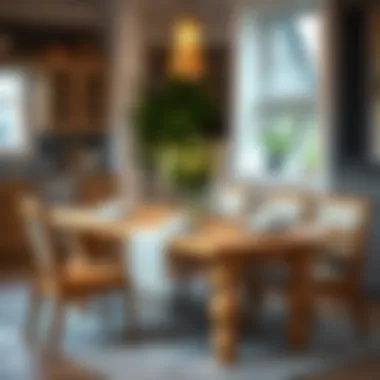

In contrast, modern interpretations of knotty pine tables tend to focus on clean lines and minimalist aesthetics. These tables often showcase the natural grain of the wood through lighter finishes, emphasizing simplicity and function. Their sleek designs fit well in contemporary spaces while still maintaining a touch of nature. The downside? This modern twist might not resonate with everyone, particularly those who cherish more ornate, traditional styles.
Rustic Influences
Rustic influences are another compelling aspect when it comes to knotty pine tables. This style decorates the home with a sense of rough-hewn charm and authenticity. Tables featuring rustic elements are often more robust, with a focus on reclaimed or distressed finishes that appeal to environmentally-conscious consumers. Their rugged nature adds personality and warmth, creating a welcoming atmosphere. However, it’s essential to balance rustic pieces with other design elements to avoid overwhelming the space with too much texture.
Functional Advantages
When it comes to furnishing a kitchen, functional advantages hold a pivotal place in our decision-making process. Knotty pine kitchen tables not only serve as the heart of culinary activity but also need to endure the daily hustle of family life. The preponderance of this wood type's features offers a plethora of benefits that cater to the demands of homeowners, interior designers, and DIY enthusiasts alike. Let's delve into the specific elements that highlight the functional superiority of knotty pine, making it an appealing choice for any kitchen setting.
Durability and Longevity
Knotty pine is celebrated for its remarkable durability. This hardwood, while softer than some varieties, boasts a density that allows it to withstand substantial wear and tear. The inherent strength of this wood ensures that it can bear the brunt of everything from the occasional spilled drink to more frequent bumps and scratches from plates being shuffled around.
Moreover, a well-crafted knotty pine table can last for generations. The natural oils present in the wood provide a protective barrier against moisture when treated properly. Homeowners often find that these tables develop a beautiful patina over time, signaling not just age but lasting quality.
In summary, investing in a knotty pine kitchen table means opting for a piece of furniture that stands the test of time—much like the family traditions centered around it.
Ease of Maintenance
Let’s face it; keeping a kitchen table looking pristine with minimal effort is a dream for many. Knotty pine tables are often straightforward to clean and maintain, even for the less domestically inclined among us. A simple wipe down with a damp cloth and mild soap can do wonders. Unlike some other wood types that might require elaborate caretaking rituals, knotty pine doesn't demand much.
For those looking to preserve the finish, a coat of food-safe mineral oil now and then can enhance the wood's natural grain while adding a layer of protection. Avoid using harsh chemicals or abrasive cleaners as they can strip the wood of its luster.
- Quick cleaning: Just a damp cloth and gentle soap!
- Minimal upkeep: Regular oiling is sufficient for a beautiful look.
This ease of maintenance appeals especially to busy families, ensuring that the table remains a functional and attractive centerpiece without becoming a burden.
Cost-Effectiveness
In today's economy, we all appreciate a good deal. Knotty pine tables usually stand out in terms of affordability compared to other hardwood options. This wood is often more budget-friendly due to its wide availability and the relatively straightforward milling processes involved in its production.
Beyond the initial purchase price, the long-term cost-effectiveness of knotty pine is significant. With less frequent need for replacements or heavy-duty repairs, your investment continues to pay off over the years. As a bonus, if you’re the handiest type, tackling a DIY project with knotty pine can lead to even greater savings.
In essence, knotty pine kitchen tables provide a combination of attractive price, durability, and low maintenance costs, making them a smart investment for prospective buyers.
Sustainability of Knotty Pine
When it comes to furnishing a home, sustainability is more than just a buzzword; it’s a lifestyle choice that influences everything from consumer habits to environmental impact. Knotty pine kitchen tables not only provide aesthetic and functional benefits but also hold significant value in terms of sustainability. As the world increasingly faces challenges like deforestation and climate change, choosing materials that are eco-friendly becomes paramount. The focus on knotty pine stretches beyond its beauty and utility; it speaks to a commitment to responsible sourcing and lasting eco-friendly practices that benefit both the buyer and the planet.
Eco-Friendly Sourcing
Knotty pine is a renewable resource, often sourced from managed forests, where trees are harvested in a way that promotes regrowth and minimizes disruption to the ecosystem. Companies that engage in sustainable forestry practices ensure that their lumber comes from responsibly managed forests, allowing them to thrive for generations. This kind of sourcing not only preserves natural habitats but also aids in carbon sequestration, which is critical in mitigating climate change.
Traditional logging practices can lead to deforestation and habitat loss, but when buyers choose knotty pine, they often support businesses that prioritize sustainable methods. Many mills adopt certifications from organizations like the Forest Stewardship Council (FSC), which guarantees that the wood is sourced from forests that are responsibly managed. Buying certified knotty pine can also provide peace of mind to consumers, knowing they are making choices that support both local economies and the environment.
Impact on Environment
The environmental implications of choosing knotty pine extend far beyond just the wood itself. Knotty pine's durability contributes to a longer lifecycle, resulting in less waste overall. When homeowners invest in a knotty pine kitchen table, they not only enjoy a piece of furniture that withstands the test of time, but they also reduce the frequency of replacements, which helps curtail consumption and waste.
Beyond the table itself, the process of crafting furniture from knotty pine often utilizes fewer chemicals and finishes compared to other wood types. This means less harmful runoff that can impact local ecosystems.
"Opting for knotty pine not only supports sustainable forestry but also creates a ripple effect benefiting various facets of environmental health."
The sustainability of knotty pine also aligns with the broader theme of embracing natural materials, which often have a lower environmental impact than synthetic alternatives. By choosing this delightful wood, homeowners can create spaces that are not just warm and inviting but also align with eco-conscious values. In today's market, where sustainability is becoming a key decision factor for many consumers, the knotty pine kitchen table stands as an exemplary choice, marrying aesthetics, function, and ecological responsibility.
Market Trends for Knotty Pine Tables
The market for knotty pine kitchen tables has been steadily evolving, reflecting not just changing consumer tastes but also broader trends in sustainable living and unique home design. Understanding these trends provides homeowners, interior designers, and DIY enthusiasts with insights that can guide purchasing decisions and design choices. As the popularity of eco-friendly materials grows, knotty pine stands out not only for its rustic charm but also its adaptability in a variety of settings.
Current Popularity
Knotty pine has seen a resurgence in recent years, moving from a niche preference to a more mainstream choice for kitchen and dining spaces. One reason for this shift is the growing appreciation for natural materials. Knotty pine offers a warmth and character that manufactured materials often lack. Consumers are increasingly drawn to its unique patterns and textures, each piece telling its own story through the natural knots and grains.
Several factors contribute to this rise in popularity:
- Sustainability Concerns: With the increasing awareness of environmental issues, many are opting for materials that are both beautiful and responsibly sourced.
- Affordable Luxury: Knotty pine provides a high-end feel without breaking the bank, making it an attractive choice for budget-conscious homeowners eager to enhance their dining spaces.
- Versatile Aesthetics: From rustic farmhouses to modern minimalistic designs, knotty pine can fit seamlessly into diverse interior styles, appealing to a broad audience.
Consumer Preferences
As more people explore their tastes in home decor, consumer preferences have shifted towards individuality and authenticity. Nowadays, homeowners tend to prioritize unique, hand-crafted items over mass-produced furniture. Knotty pine tables resonate with this desire for personalization.
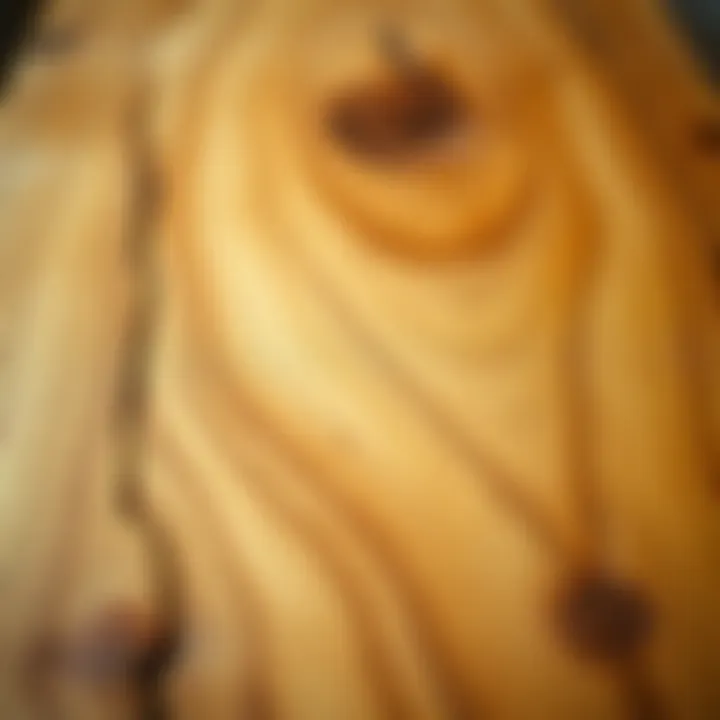
Key preferences observed in the market include:
- Customization: Many buyers are interested in custom designs, whether it's specific dimensions, staining options, or unique finishes that reflect their individual style.
- Functionality Meets Style: Consumers are looking for pieces that not only look good but also serve a practical purpose. Knotty pine tables often come with features such as extendable leaves or built-in storage.
- Trendy Pairings: There is a growing interest in pairing knotty pine tables with sleek metals or glass to create a balance of rough and refined aesthetics. This juxtaposition can elevate the overall design of a kitchen or dining area.
Moreover, platforms like reddit.com have become popular venues for discussions on favorite materials, with knotty pine frequently mentioned in conversation as an aesthetic and functional choice.
"Knotty pine captures the eye. Each knot serves as a reminder of nature's beauty, making it impossible to ignore its charm."
Through these trends and preferences, it's clear that knotty pine kitchen tables are more than just furniture; they are central to a larger conversation about sustainability, style, and personal expression in home decor.
Practical Considerations
Understanding the practical considerations surrounding knotty pine kitchen tables is crucial for anyone looking to enhance their living space. From size selection to design integration, these elements can make or break the overall aesthetic and functionality of a kitchen. This section dives into three key practical aspects that ensure you make an informed choice when incorporating these charming pieces into your home.
Selecting the Right Size
Choosing the right size for a knotty pine kitchen table is not just about measuring the physical space; it's about harmonizing the table's dimensions with your specific needs and lifestyle. Begin by considering the dimensions of your kitchen or dining area. A table that is too large can overwhelm a small space, while one that is too small might not meet your requirements for gatherings or daily use.
When determining the optimal size, think about several factors:
- Seating Capacity: How many people do you typically host for meals? Generally, allow for about 24 inches of space per person.
- Space for Movement: Ensure there’s enough room for chairs. Ideally, there should be 36 inches between the table and any walls or furniture for comfortable movement.
- Table Shape: Rectangular tables are versatile and fit well in narrow spaces. Round tables are great for smaller gatherings and can make a cozy atmosphere.
In short, measuring isn’t just a cautious approach; it’s crucial for establishing a functional, inviting kitchen environment.
Color Matching with Interiors
The color of your knotty pine table can significantly influence the vibe and character of your kitchen. Knotty pine inherently brings warmth and rustic charm to a home, but it’s important to match it thoughtfully with your existing decor.
Here are some considerations to keep in mind:
- Existing Color Palette: Assess the colors already present in your kitchen. If your walls are painted in light hues, a darker stain on the table could create an appealing contrast. Conversely, pairing it with similar tones can create a seamless look.
- Natural Grain: Knotty pine showcases a unique grain pattern, often affected by the finishing treatment. A transparent finish highlights the wood's natural beauty while colored stains can alter its appearance, giving you flexibility in style.
- Complementing Materials: Think about the color of your cabinetry, countertops, and even flooring. An effective match can tie the room together, ensuring that the knotty pine table does not stick out like a sore thumb.
By thoughtfully considering the color dynamics, you can create a cohesive and inviting atmosphere in your kitchen.
Integrating with Other Furnishings
Successful integration of a knotty pine kitchen table with other furnishings can pull together the entire room's aesthetic. It's not just about having a table; it’s about creating a harmonious environment where every piece complements the others.
Here are some strategies to consider:
- Style Coordination: Ensure your table matches the style of other furniture. A rustic table pairs beautifully with other natural materials, while you might want to blend it with more modern accents for a contemporary feel.
- Accessorizing: Use additional pieces such as chairs, buffets, or sideboards to enhance the decor. Choose fabrics and colors that echo those in the table, whether through upholstery or decorative elements.
- Functional Zones: Consider how the table interacts with other kitchen areas. Whether it's an open space or enclosed, ensure there’s a flow that makes sense, perhaps by repeating elements or color schemes from adjoining areas.
Integrating furniture is about striking a balance; it's the little touches that pull everything together.
When these considerations are made, knotty pine tables not only serve as functional pieces but also enhance the charming nature of kitchen spaces.
Maintenance and Care Tips
When it comes to knotty pine kitchen tables, proper maintenance and care are essential for preserving their beauty and functionality. Unlike other materials, knotty pine possesses unique characteristics that can require a tailored approach. Maintaining the health of your table not only extends its longevity but also allows it to remain a centerpiece of your home’s decor. A well-kept knotty pine table ensures that it serves as a gathering spot for loved ones, a functional workspace, and a display of personal style.
Regular Cleaning Practices
Regular cleaning is the first line of defense against dirt and grime that can dull the shine of your knotty pine table. Daily upkeep involves simple, gentle methods that won’t compromise the finish. Here is how to keep your table looking fresh:
- Use A Soft Cloth: Opt for a microfiber or soft cotton cloth to wipe down the surface. Avoid abrasive materials that can scratch the wood.
- Mild Soapy Water: Occasionally, using a solution of mild dish soap mixed with warm water can help lift stubborn stains. Just ensure to wring out excess water to prevent moisture from seeping into the wood.
- Avoid Harsh Chemicals: Products that contain bleach or ammonia can damage the finish. Stick to gentle cleaners made for wood surfaces.
By keeping your table clean, you not only maintain its appearance but also help preserve the wood from potential damage that dust and spills can cause over time.
Preventing Damage
Preventing damage to your knotty pine kitchen table is crucial for its longevity. Here are several proactive measures you can take to protect this beautiful piece:
- Use Coasters and Placemats: Setting down drinks and hot dishes directly can lead to rings and burn marks. Always opt for coasters or placemats.
- Direct Sunlight Exposure: Prolonged exposure to sunlight can fade the color of the wood. Consider placing your table in a spot that doesn't receive harsh rays or use window treatments.
- Humidity Control: Pine is sensitive to changes in humidity. Maintaining a stable environment can prevent cracking or warping. Using a humidifier or dehumidifier as needed can help.
Adopting these habits contributes to the long-term health of your table and helps preserve its charm.
Restoration Techniques
Despite our best efforts, everyday wear and tear can take a toll on any wooden surface, including knotty pine. Luckily, there are several techniques to breathe life back into your table:
- Light Sanding: If the surface has scratches or sees minor wear, light sanding can help smooth out imperfections. Use a fine-grit sandpaper and always sand in the direction of the grain.
- Wood Finish: After sanding, applying a new coat of finishing product—such as polyurethane or a natural oil—can enhance the table’s durable layer and revitalize its color.
- Professional Refinishing: For deeply scratched or damaged tables, consider enlisting the help of a professional. They have the tools and knowledge to restore your piece effectively without causing additional harm.
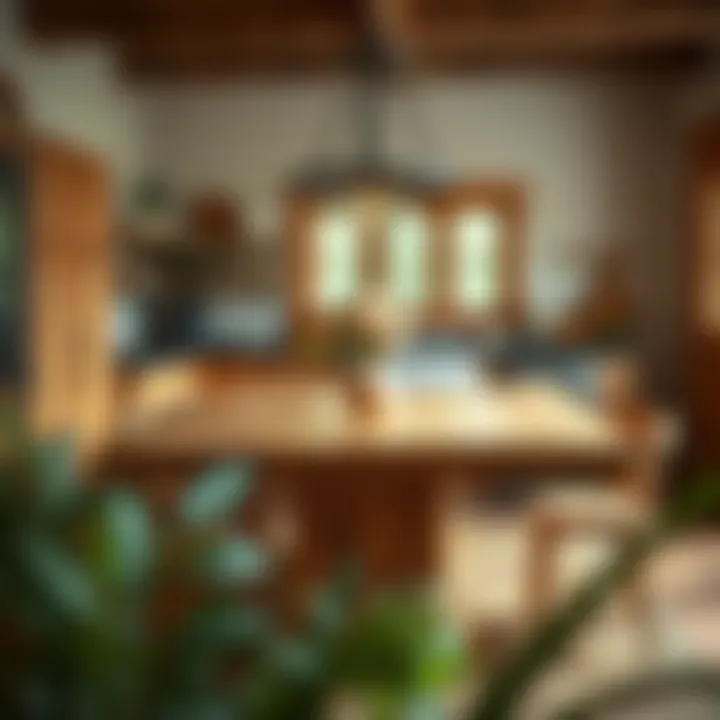
Remember that restoring is better suited for the table’s long-term health than letting damage accumulate over time.
Ultimately, careful maintenance and thoughtful restoration techniques will ensure that your knotty pine kitchen table remains a stunning showpiece in your home for years to come.
For further reading on wood care and maintenance, check resources from:
By implementing these maintenance tips, you can enjoy the timeless beauty of your knotty pine table well into the future.
Customization Options
Customization options for knotty pine kitchen tables play a crucial role in how these pieces fit into various interior styles and personal preferences. With the right choices, a standard table can transform into a unique centerpiece that reflects individual taste and enhances the overall aesthetic of a kitchen. Customization not only allows homeowners to tailor the look of their tables but also to adapt functionality to suit their specific needs.
The beauty of customization lies in its flexibility—homeowners can modify almost every aspect of their knotty pine tables, from the finish to the structural design. This offers a unique opportunity for creativity and personal expression, and it often results in a piece that tells a story, blending seamlessly with the existing decor.
Finishing Choices
When it comes to finishing choices, several options allow for vivid personal expression while maintaining the natural charm of knotty pine. Each finish offers distinct visual results and protection qualities. Consider the following:
- Natural Finish: This highlights the wood's inherent texture and grain, embracing its rustic appeal. It allows the natural knots to show through, making for a truly authentic look.
- Stained Finish: For those wanting more control over the wood’s color, stains can deepen the hue while still showcasing the grain. Darker stains can convey a sense of sophistication, whereas lighter ones can bring warmth and a more casual vibe.
- Painted Finish: An unconventional approach for wood, painting can add a pop of color that resonates with your kitchen’s theme. It may require more upkeep but can vastly change the character of the table.
Ultimately, the choice of finish should align with the overall atmosphere of the kitchen as well as the owner’s lifestyle—some surfaces lend themselves better to wear and tear than others.
Design Modifications
Beyond finishes, design modifications can significantly alter a table's form and function. Depending on the desired outcome, these changes can enhance both aesthetics and practicality.
- Size Adjustments: Tailoring the dimensions of a table ensures it fits perfectly in a particular space. Whether it’s extending for larger gatherings or creating a more intimate setting, modifications can be key.
- Leg Style Variations: The choice of legs can shift the table’s appeal. Traditional turned legs exude classic charm, while sleek, modern legs cater to a contemporary look. Choosing the right leg style can modify the table's entire character.
- Incorporating Storage: Some tables can even integrate storage solutions underneath or on the side for added utility. This option blends functionality with form, perfect for smaller kitchens where space is at a premium.
By considering both finishing choices and design modifications, homeowners can ensure their knotty pine tables not only suit their taste but also serve as practical and stylish components of their kitchens, all while reflecting their unique identities.
DIY Projects with Knotty Pine
Engaging in DIY projects with knotty pine can be one of the most fulfilling endeavors for homeowners and designers alike. Not only does it allow individuals to add their personal touch to their spaces, but using this rustic wood brings a warm and inviting atmosphere. Knotty pine offers unique characteristics—its knots and grains impart a distinct charm, setting the stage for distinctive creations. Moreover, opting for DIY can be a cost-effective solution when looking to furnish your home stylishly.
Creating something from scratch or upcycling old items adds a layer of personalization to home decor. This article explores some practical DIY projects that showcase the versatility of knotty pine, encouraging both creativity and craftsmanship.
Building Your Own Table
When it comes to crafting a kitchen table from knotty pine, the potential is vast. This project can be tailored to fit any kitchen size or decor style. You might start by selecting the perfect pieces of wood; look for planks that showcase a beautiful array of knots and grains. It is key to choose boards that are free of significant damage or warping.
- Measure and Cut: Make sure to measure your space accurately to determine the size of the table. Once done, cut the wood to your desired dimensions. Always keep safety in mind while using saws.
- Assembly: The next step is to assemble the tabletop. Use wood glue and clamps to hold pieces in place. Once set, attach legs, which could either be pre-made or crafted from leftover wood. For a sturdy base, consider using 2x4s or other durable cuts.
- Finishing Touches: Finally, sand the wood to smooth out rough edges. Depending on the desired aesthetic, you can apply a clear coat, stain, or paint it. Each choice will yield a different effect, enhancing the unique character of the knotty pine.
Building your own table not only provides a sense of accomplishment but also ensures that your furniture is one-of-a-kind.
Upcycling Ideas
Upcycling is a fantastic way to breathe new life into old furniture or materials, and knotty pine serves as a splendid medium for these projects. Here are some engaging ideas:
- Transforming Old Furniture: Consider taking an old, worn-down table and giving it a knotty pine makeover. By applying a fresh layer of wood, you can create a stunning blend of rustic and modern aesthetics. Adding a pop of color through paint can add a refreshing twist.
- Crafting Shelves: Creating custom shelves from knotty pine is a simple yet effective way to utilize available materials. Cut the wood into various lengths, sand, and mount them on the wall to provide both function and style.
- Garden Planters: Knotty pine can withstand the elements, making it an excellent choice for outdoor decor. Create charming planters for flowers or herbs. Make sure to line the inside with plastic to prevent rot, supporting a longer lifespan.
- Decorative Accents: Think small—wooden coasters or picture frames can also be fashioned from leftover pieces. These accents can bring warmth to the home without requiring extensive materials or time.
Engaging in these DIY projects can encourage creativity and resourcefulness, allowing homeowners to shape their spaces meaningfully. Every upcycled piece tells a story, making your home uniquely your own.
"DIY projects not only enhance your living space, but also foster a connection between you and your environment, making it truly yours."
In essence, the journey of creating with knotty pine is both a reflection of personal taste and an opportunity to embrace sustainability. By engaging hands-on with materials, one can marvel at the beauty of bringing the old, the worn, and the previously overlooked into the spotlight—effortlessly melding function with design.
Closure
In wrapping up the discussion on knotty pine kitchen tables, it's clear that these pieces of furniture are more than just functional objects—they are heartfelt narratives of history, craftsmanship, and home. The allure of knotty pine lies not only in its unique aesthetics but also in its exceptional versatility and resilience. For homeowners, interior designers, and enthusiasts alike, understanding the various elements surrounding knotty pine becomes crucial in making informed choices.
One cannot overlook the distinct characteristics of knotty pine, such as its warm tones and visible knots, which evoke a sense of connection to nature. Each table tells its own story, distinguished by the grain patterns and knots that make it one-of-a-kind. This property makes knotty pine not only a functional choice but also a thoughtful addition to any space, ensuring that no two tables ever look the same.
Benefits of Knotty Pine Kitchen Tables
- Aesthetic Versatility: Knotty pine fits a range of styles—from rustic to contemporary—adapting beautifully to various interior designs.
- Sustainability: As the demand for eco-friendly materials grows, the sourcing of knotty pine offers an eco-conscious choice that resonates well with today's environmentally-aware consumers.
- Affordability: Compared to other hardwood options, knotty pine usually comes at a lesser cost, providing value without compromising quality.
However, while knotty pine has many upsides, some considerations should be taken into account. For instance, this wood tends to absorb stains and scratches easily, requiring regular maintenance to keep it looking pristine. Understanding these nuances can greatly enhance the longevity and enjoyment of your furniture.
For more information on materials, maintenance, and buying tips, consider exploring these resources:
"A home isn't about what you put in, but the stories that come out."
This conclusion not only encapsulates the essence of knotty pine kitchen tables but also encourages readers to view them as more than mere furniture— they're lasting elements of their home’s narrative.