
The Complete Guide to Garden Lockers: Design and Use
Intro
Garden lockers have become a key feature in the outdoor spaces of many homes, taking on an essential role that combines functionality and style. They serve as practical solutions for storing gardening tools, outdoor cushions, and seasonal decor, all while adding to the aesthetics of the garden. Whether you are a seasoned gardener or a novice plant enthusiast, understanding the value of garden lockers can significantly enhance your outdoor experience.
In this guide, we will explore the various design trends that shape contemporary garden lockers, delve into the innovative materials that boost their appeal and durability, and offer tips for maximizing their utility in any garden setting. We aim to shed light on the many facets of garden lockers—from the materials they are made of to how they fit into the overall design of your landscape—ensuring you make an informed decision when selecting or designing a locker for your garden.
The increasing demand for garden lockers reflects not just a need for storage but a desire for styles that resonate with personal preferences and environmental concerns. This article serves as a comprehensive resource for homeowners, decorators, DIY enthusiasts, and anyone interested in enhancing their exterior spaces. Let's embark on this journey of discovery about garden lockers, examining how they can seamlessly blend into your garden design while fulfilling your storage needs.
Understanding Garden Lockers
Garden lockers represent a pivotal element in contemporary outdoor design, marrying practicality with aesthetics, and they provide clever solutions for storage needs. Homeowners and gardening enthusiasts often face the dilemma of where to store tools, potting supplies, and seasonal decorations, all while maintaining a tidy garden. Understanding the various aspects of garden lockers not only aids in functionality but also assists in achieving a cohesive and beautiful landscape design.
Definition and Purpose
Garden lockers, at their core, are storage units specifically designed for outdoor use. They can take various forms, from compact sheds to ornate boxes, all tailored to protect belongings from weather elements and unauthorized access. Their primary purpose goes beyond mere storage; they facilitate organization, promote efficiency, and enhance the overall aesthetic of one's outdoor space.
Numerous benefits stem from their usage. For starters, garden lockers serve as a dedicated space for tools and accessories, ensuring that everything is close at hand while you work. Additionally, these lockers help prevent the clutter that can easily accumulate in gardens, creating a more enjoyable and visually appealing gardening experience. Whether crafted from wood, metal, or plastic, each material brings its own set of advantages, adding further value to the design.
Historical Context
The concept of garden storage has ancient roots, with evidence showing that horticulturists and gardeners have sought effective means to secure their tools for centuries. Early forms of storage included makeshift wooden carts and woven baskets, evolving through time into more structured solutions like sheds and lockers.
In the mid-20th century, as backyard gardening gained popularity, manufacturers began producing dedicated garden storage units that catered to the growing demand for organized outdoor space. Nowadays, the designs have diversified significantly, reflecting both functional needs and personal style preferences. The evolution of garden lockers over time illustrates not only changes in lifestyle but also advancements in materials and technology, leading to increasingly durable and aesthetically pleasing options for garden enthusiasts.
“A well-placed garden locker can transform the usability of a garden space while also ensuring your tools last longer.”
The journey from basic storage solutions to today's sophisticated garden lockers marks a significant shift in how we approach outdoor maintenance and design. By understanding the history and purpose behind garden lockers, homeowners can make informed choices that align with their storage needs as well as their aesthetic aspirations.
Design and Aesthetic Considerations
When exploring garden lockers, it’s crucial to understand how design and aesthetics influence their role in outdoor spaces. These storage solutions aren’t just functional; they also contribute significantly to the visual appeal of a garden. A well-designed locker can enhance the overall landscape, merging seamlessly with its surroundings. Choosing the right materials, styles, and finishes can turn a simple storage unit into a stunning focal point.
Popular Materials
Wood
Wood offers a warm, natural feel that many gardeners appreciate. It’s often lauded for its ability to blend with various landscape designs. Typically, cedar and teak are favored for their durability and resistance to rot. The grain patterns and earthy tones of wood can add an organic touch, creating a welcoming atmosphere.
However, wood does require maintenance. Regular sealing can prevent moisture damage, and painting or staining can help keep it looking new. On the downside, untreated wood can be susceptible to insect damage, particularly termites. Therefore, while aesthetic appeal is high, the long-term upkeep is a factor to consider.
Metal
Metal lockers, often made of galvanized steel or aluminum, bring a contemporary edge to garden designs. They can withstand harsh weather conditions, making them an attractive choice for those looking for longevity. The sleek finish and modern lines of metal lockers can echo urban aesthetics, providing a striking contrast against lush greenery.
One key advantage is the security they offer; metal is sturdy and can deter unauthorized access effectively. However, metal can potentially rust over time, especially if not properly coated. Additionally, it can heat up under direct sun exposure, which may not be ideal for storing sensitive tools or items.
Plastic
Plastic lockers stand out due to their lightweight and corrosion-resistant properties. These lockers are available in various colors and designs, making them customizable to fit the garden’s theme. They require minimal maintenance and are easy to clean, offering practicality alongside design freedom.
On the downside, plastic may not convey the same sense of quality or elegance as wood or metal. The longevity of plastic could also vary depending on its grade, and cheaper options might become brittle over time when exposed to UV rays. Yet, for those seeking a budget-friendly and versatile solution, plastic lockers hold significant appeal.
Styles and Trends
Modern
Modern garden lockers are characterized by clean lines and minimalistic features. They often feature sleek finishes and geometric designs, appealing to a contemporary audience. These pieces can easily fit into various landscaped environments, providing a fashionable yet unobtrusive storage solution.
One of the exciting parts of modern design is its adaptability; they can be customized with various colors and fixtures to enhance their visual impact.
However, modern lockers might lean towards a more utilitarian feel, which may not align with the cozy vibe some homeowners aim for in their gardens.
Rustic
In contrast, rustic lockers evoke charm and nostalgia. Made from reclaimed wood or finished to look aged, they bring character to any outdoor setting. A rustic locker can effectively complement a cottage garden or a country-style home. The charm of these designs lies in their imperfections, emphasizing a handmade quality.
While rustic designs are delightful, they may not suit everyone’s taste or blend with more modern landscapes. The maintenance of such materials can also be a consideration, particularly if exposed to the elements, which could lead to quicker wear and tear.
Minimalist
Minimalist designs prioritize function over frills. Featuring simple shapes and a lack of embellishments, they emphasize the importance of efficiency in storage solutions. Minimalist lockers can appear almost sculptural in nature, creating a striking visual without overwhelming the garden.
While aesthetically pleasing, the minimalist approach may limit customization options, particularly for those who desire more personality in their outdoor spaces. Moreover, their restrained design might not appeal to individuals who favor a more eclectic or vibrant garden style.
Understanding the various materials and styles can significantly impact the effectiveness of garden lockers in enhancing outdoor aesthetics. As such, homeowners must take their time when making selections.
Functionality of Garden Lockers
Garden lockers serve a vital function in the realm of gardening and outdoor living spaces. This section explores their practical role, emphasizing the benefits they provide for effective storage and organization. Understanding how these lockers enhance functionality is essential for anyone looking to optimize their gardening workflow.
Storage Solutions
Tools and Equipment
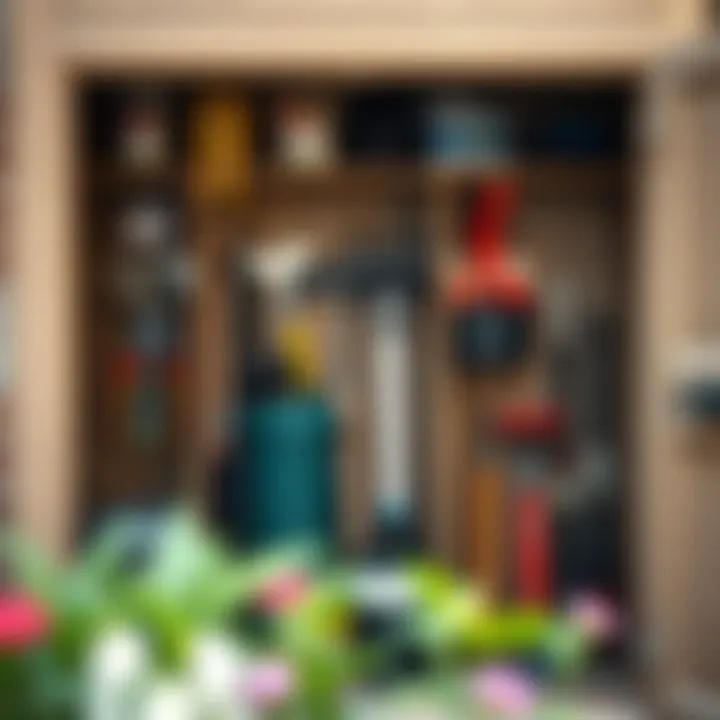
When it comes to gardening, having the right tools on hand can make or break your experience. Garden lockers offer a dedicated space to house everything from trowels to hose reels. The distinct advantage of using these lockers lies in their ability to protect tools from the elements, ensuring that they remain in prime condition for when they are needed.
Key Characteristic: Durability is paramount. Many garden lockers are built from weather-resistant materials that can withstand rain, sun, and even snow.
Unique Feature
One nifty feature is the incorporation of shelves and hooks inside the lockers. This allows for more organized storage, helping gardeners sort through their tools seamlessly. While metal lockers offer robust security against theft, they can be heavier and might require more effort during installation. However, the security they provide can be incredibly worthwhile, especially for valuable equipment.
Potting Supplies
Potting supplies, like soil, fertilizers, and pots, are essential for nurturing plants, and garden lockers can serve as ideal storage havens. These lockers keep such materials readily accessible, facilitating the potting process and ensuring gardeners are always well-prepared.
Key Characteristic: Versatility in size and design makes them suitable for any garden space, big or small.
Unique Feature
Many garden lockers come with compartments designed specifically for smaller items, making it easier to find what you need without digging through mounds of soil bags. While some may argue that not all potting supplies need to be stored in a locked area, having them secured can prevent curious animals from making a mess. This ensures that your gardening space remains tidy and organized.
Garden Decor
Storing garden decor items such as planters, ornaments, and outdoor lighting can be a challenge. A well-placed garden locker can provide a home for these decorations, ensuring they're not only secure but also accessible for seasonal changes and special occasions. Keeping decor protected from harsh weather can prolong the lifespan of these items, making it an attractive option for decorators.
Key Characteristic: Aesthetic versatility allows these lockers to blend seamlessly into your landscape while providing functional storage.
Unique Feature
Some designs even feature customizable compartments for different types of decor, allowing gardeners to tailor their storage to fit their unique style. The drawback, however, may be the higher upfront cost compared to regular garden sheds. But investing in a locker could save you money in the long run by protecting your decor and minimizing replacements.
Enhancing Garden Organization
Garden lockers do more than just hold tools; they allow for a systematic approach to gardening. With the right organization, one can drastically reduce time spent searching for necessary items and can instead focus on what truly matters: gardening. This means more time to plant, prune, and enjoy your blooms.
A well-organized space can provide mental clarity and enhance creativity, improving the gardening experience overall. When everything has a designated spot, it’s easier to maintain order in the garden space. This efficiency empowers gardeners to expand their projects and undertake more ambitious landscaping endeavors.
“A well-organized garden locker is like a well-organized mind; it streamlines the process and elevates the experience.”
Security Features in Garden Lockers
Ensuring the safety and security of your garden lockers is as important as the aesthetic and functional aspects. Garden lockers serve as storage spaces for various items, and a lack of proper security can lead to potential risks, including theft or vandalism. By integrating robust security features, these lockers not only protect valuable gardening tools and supplies but also instill peace of mind among users.
Importance of Security
In the realm of outdoor gardening, security plays a pivotal role. It's not just about safeguarding the physical items stored inside a locker, but also about protecting the investment one has made. Items such as expensive tools, rare plants, or sentimental gardening decor might be at risk without adequate measures in place. The reassurance that comes from knowing one’s belongings are secure cannot be overstated, hence why it becomes a priority for many homeowners. A garden locker with solid security can also deter would-be intruders, enhancing the overall safety of the garden area.
Locking Mechanisms
Choosing the right locking mechanism can significantly bolster the security of a garden locker. Here are three primary types that often feature:
Key Locks
Key locks are perhaps the most traditional type of security feature found in garden lockers. They offer straightforward functionality, requiring a physical key to operate. This simplicity can be a double-edged sword; while it prevents unauthorized access, it can also be a hassle if the key is misplaced. What makes key locks appealing is their reliability – they are easy to replace if damaged and often come at a lower cost compared to more modern alternatives. However, users must be vigilant to keep track of their keys to ensure continued security.
Advantages of Key Locks:
- Easy to use and replace
- Generally lower cost
- Proven technology with fewer vulnerabilities
Disadvantages of Key Locks:
- Risk of losing the key
- Need for physical presence to unlock
Combination Locks
In contrast, combination locks offer a level of convenience that key locks cannot match. Users set a code to unlock the mechanism, eliminating the need for physical keys. This aspect is especially useful for individuals who may prefer not to carry extra items, as the code can usually be memorized. One unique feature of combination locks is the ability to change the code periodically, enhancing security further. That said, if someone forgets their code, they can find themselves in quite the pickle, locked out of their own locker.
Advantages of Combination Locks:
- No physical keys to lose
- Codes can be changed for improved security
Disadvantages of Combination Locks:
- Risk of forgetting the combination
- Potentially more complex to operate than key locks
Smart Locks
As technology continues to evolve, smart locks have become a popular option for garden lockers. They integrate technology into security, allowing users to unlock their locker via smartphones or biometric verification. The smart functionality offers noteworthy convenience, often allowing for remote access or temporary sharing of access with friends or family. However, smart locks rely on power sources and can be more costly than traditional locks. Depending on the brand, connection issues could arise, making them less reliable in some situations.
Advantages of Smart Locks:
- Enhanced convenience through mobile access
- Ability to monitor access and receive alerts
Disadvantages of Smart Locks:
- Dependence on batteries or power
- Higher cost compared to traditional locks
In summary, whether you opt for a conventional key lock, a versatile combination lock, or a high-tech smart lock, the choice ultimately hinges on your specific security needs and the level of convenience you seek.
Selecting an appropriate locking mechanism is only one part of ensuring your garden locker’s security. Regular maintenance and checks are also essential in keeping these systems functional and reliable.
Placement and Installation
When it comes to garden lockers, the placement and installation are crucial for maximizing their functionality, security, and aesthetic appeal. The right placement ensures that these storage units serve their purpose effectively while blending seamlessly into the landscape. Any homeowner looking to enhance their garden space ought to give thoughtful consideration to various factors such as accessibility, visibility, and protection from elements.
Site Selection
Choosing the right site for a garden locker requires more than just picking a location; it importantly affects both usability and longevity of the unit.
Accessibility
Accessibility is about how easy it is to use and interact with the locker. A well-placed garden locker should be within a reasonable distance from frequently used gardening areas. For instance, if tools are often used in a particular corner of the garden, situating the locker nearby can save time and effort. This ease of access is especially beneficial for elderly gardeners or those with limited mobility.
However, it’s vital to avoid obstructing pathways or creating clutter that could lead to accidents. A locker tucked away in the shadows might hide treasures, but it also might lead to frustration when searching for supplies, turning a pleasant gardening task into a chore.
Visibility
Visibility plays its own role in site selection. A well-placed garden locker should be easily seen, not just for practical reasons, but also for aesthetic harmony within the garden. A striking design can become a focal point in the landscape.
However, high visibility can sometimes compromise security, especially in urban settings. Additionally, lockers that are too prominent may clash with the intended rustic appeal of some gardens, turning a workhorse into an eyesore instead of a welcome feature.
Protection from Elements
Lastly, considering protection from elements is non-negotiable. If a locker is exposed to fierce sunlight or heavy rain, it will wear down faster. Finding a location that provides some natural protection, like the shade of a towering tree or near a sturdy garden structure, can prolong the life of the materials. When a locker is shielded from direct exposure, it helps maintain contents as well; humidity and extreme heat can damage gardening tools or supplies left to the elements.
Installation Process
The installation process might seem daunting, but it doesn't need to be. Proper steps can lead to success. In most cases, it starts with measuring the area where the locker will sit. Then, depending on the material, specific mounting hardware might be needed.
Digging a level foundation is crucial to ensure stability, especially for larger lockers. After leveling, anchoring to the ground can add an additional layer of security against toppling or shifting. Additionally, should you need extra help, consulting a manual or hiring a professional can offer peace of mind that everything is installed correctly.
In the end, the effort put into both placement and installation pays off in longevity and usability. Choosing the right spot keeps tools organized and close at hand, and a secure installation means never having to worry about damage due to weather or misuse. By investing the right considerations into these areas, a garden locker truly becomes an indispensable part of one’s garden experience.
Maintenance of Garden Lockers
Caring for garden lockers goes beyond aesthetics; it fundamentally influences the longevity and reliability of these storage units. Proper maintenance ensures that your tools, equipment, and gardening supplies remain protected and organized. Without regular upkeep, these essential garden components can become a source of frustration rather than utility.
Employing a maintenance routine can yield a plethora of benefits. First, maintaining a garden locker helps stave off corrosion—especially crucial for metal units exposed to the elements. Regular cleaning and inspections can identify issues before they escalate, allowing you to address them promptly. Moreover, a well-maintained locker enhances the overall appearance of your garden, creating a welcoming atmosphere for your outdoor space.
Cleaning Practices
Material-Specific Guidelines
Different locker materials demand various cleaning approaches. For instance, a wooden locker requires different care compared to metal or plastic units.
- Wooden Lockers: These lockers must be treated with a wood preservative to shield against moisture and pests. A simple solution of mild soap and warm water will usually suffice for cleaning. However, make sure to avoid excessive water, as it can lead to warping. A benefit of wood is its natural charm, enhancing the visual appeal of your garden.
- Metal Lockers: Typically require less maintenance in terms of cleaning, but rust can still become an issue. A mix of vinegar and water can work wonders here. It's a less harmful, more natural option, and it helps protect the metal's finish. The downside? If not regularly checked, the interior can gather dust, which undermines its storage efficiency.
- Plastic Lockers: They’re often the easiest to clean. Just a damp cloth and some detergent can clear grime quickly. However, UV exposure can cause brittleness over time. It's crucial to source UV-resistant options if your locker spends a lot of time in direct sunlight.
Overall, tailoring your cleaning strategies to the material of your locker can significantly enhance its durability and function.
Regular Checks
Regular inspections of your garden lockers are essential to ensure they’re performing optimally. Checking hinges, locks, and exteriors should be part of a monthly maintenance schedule. Here’s how to effectively implement this practice:
- Inspect Locks: Especially on metal and hybrid materials, locks can jam or rust. Regularly applying a silicone spray can keep them in good shape, aiding in smooth operation.
- Structural Checks: Look for any signs of cracking or bending on plastic or wooden surfaces. A loose hinge? This could lead to an unusable locker and wasted time and effort.
- Seasonal Reviews: Conduct thorough checks at the changing of seasons. After winter, ensure that any accumulated moisture has been dealt with to prevent growth of mold or mildew.
The benefit of these checks is that they allow you to recognize and address concerns early, ensuring the locker serves well for years to come. This level of attentiveness can save you from future headaches.
Preventing Wear and Tear
Preventing wear and tear often starts with thoughtful engagement in how you use your garden locker. With proper use—as in not overstuffing it or subjecting it to excessive weight—you preserve its integrity. Another key strategy is protecting it from harsh weather conditions. If possible, position the locker in a shaded area or use a protective cover during extreme weather.
Additionally, placing mats or pads beneath your locker during installation can help spacing from the ground moisture and diminish mold growth possibilities. It’s these little considerations—while seemingly mundane—that extend the life of your garden locker.


"An ounce of prevention is worth a pound of cure."
Choosing the Right Garden Locker
Selecting the right garden locker is not simply a choice of convenience; it’s a strategic decision that can greatly enhance the organization and security of outdoor spaces. The right locker not only accounts for physical storage needs but plays a role in harmonizing your garden’s aesthetics.
When faced with myriad options, from materials to locking mechanisms, understanding your specific requirements becomes paramount. This section will guide you through evaluating your needs, considering crucial factors like size and capacity, as well as budgeting for an informed purchase.
Evaluating Needs
Size Considerations
Size considerations significantly impact the effectiveness of a garden locker. It’s not just about what fits; it’s about how well it fits into your garden landscape. A small yet deeply necessary feature often overlooked is the potential space around the locker. You may find that a larger unit cuts corners on accessibility, whereas a more compact design can unpredictably enhance convenience.
- Key Characteristic: An appropriately sized locker minimizes clutter and maximizes organization.
- Popular Choice: A medium-sized locker tends to be a sweet spot for many homeowners. It holds a number of essential tools without dominating the aesthetic appeal of a garden.
The unique feature here is that size truly dictates scope. An overly large locker in a small backyard may create a tangled mess visually; conversely, a locker that's too small can lead to outdoor chaos, with tools strewn all over the place or badly crammed inside. Therefore, careful measurement and consideration of your available space can yield overall greater satisfaction.
Capacity Requirements
Capacity requirements play an equally vital role in your search for the ultimate garden locker. This aspect involves understanding precisely what you intend to store and how often that storage will be used. For instance, if you’ve got an extensive collection of gardening tools, pots, and miscellaneous decor, a locker with limited capacity could spell trouble.
- Key Characteristic: The ideal capacity ensures no item is left unattended or exposed to the elements.
- Beneficial Aspect: Many garden lockers today come designed with customizable shelves or compartments to better accommodate various tools and supplies, allowing for straightforward organization.
Key to recognizing your capacity needs is an appreciation for your gardening style. Are you a casual gardener with the occasional trowel or an enthusiastic cultivator with countless tools? Depending on this, you should select a locker that accommodates your tendencies. Remember, choosing the right locker isn’t merely about current tools but also about future acquisitions as your gardening passion grows.
Budgeting for Purchase
Once you’ve evaluated your needs, turning to budgeting is the next crucial step in selecting the right garden locker. A well-established budget will keep you grounded amid all the attractive yet unnecessary options available.
Deciding on a budget isn't solely about setting an upper limit; it also means assessing the long-term value of the locker you select. While it can be tempting to go for the cheapest option, it may turn into a regrettable decision down the road if it compromises quality or doesn't fit your needs. A balanced budget allows for some flexibility while ensuring that every dollar spent brings reasonable benefit.
When budgeting, keep in mind:
- Material Quality: Opt for durable materials that stand up against weather and wear.
- Maintenance Costs: Consider if the locker’s upkeep could lead to further expenses.
- Utility vs. Aesthetics: Sometimes, spending a little more on a visually appealing locker pays off by enhancing your garden’s overall ambiance.
"A garden locker should not just be storage; it should be a reflection of your personal gardening journey."
For insightful tips on maximizing space in your garden lockers and exploring various styles, consider visiting resources like Gardening Know How and Better Homes & Gardens.
Integrating Garden Lockers with Landscaping
When it comes to enhancing outdoor spaces, integrating garden lockers with existing landscaping is more than just a smart move; it's a strategic decision that brings multiple benefits. Importance of this integration lies not merely in functionality but also in the overall aesthetics of a garden. Instead of being an afterthought, a well-placed locker can become a focal point that complements surrounding elements. It’s about creating a seamless blend of utility and beauty in your garden.
Design Harmony
Every garden has its unique character. The design of your garden locker should reflect this individuality. Design harmony plays a pivotal role here. For instance, if your garden boasts a rustic charm with old wooden fences and hand-crafted planters, a wooden locker featuring natural patterns or distressed finishes will fit right in. Conversely, for a sleek, contemporary space, opting for a steel or aluminum locker with clean lines enhances the overall design.
- Material Match: Consider the materials used in your garden when picking a locker. A metal locker can be coated in colors that echo your garden flowers or furniture, creating visual continuity.
- Architectural Style: Pay attention to the architectural style of your home and surrounding structures. For traditional settings, choose garden lockers that resonate with classic designs, perhaps with arched features or decorative trim.
- Color Palette: Integrate your locker’s color with the overall garden palette. A bright green locker might energize a space filled with pastel flowers, while a muted gray could add sophistication without clashing.
This thoughtful approach can transform a simple storage solution into a design statement, blending seamlessly with the garden’s existing landscape aesthetics.
Highlighting Functionality
Beyond aesthetics, the functionality of a garden locker is crucial. It should serve your gardening needs while still enhancing the landscape. One common mistake is to overlook this aspect amid the design choices. The goal is to not just stash away tools but to do so in a manner that contributes to an organized and efficient gardening experience.
- Accessibility: Place the locker where it’s easily accessible while you work in the garden. If you have a potting area, situate the locker nearby to facilitate smooth transitions.
- Incorporation of Features: Consider lockers with features that enhance ease of use. For example, lockers with built-in shelves can allow for organized storage of small pots or soil bags, preventing clutter from invading your beautiful landscape.
- Versatile Use: Some gardens might benefit from larger lockers that can double as a bench or display area for garden ornaments. This multifaceted approach ensures that the locker does not just sit as an idle storage unit but instead enhances the uses of space.
By carefully merging design with functionality, garden lockers can be seamlessly integrated into landscaping, creating a coherent, useful, and aesthetically pleasing outdoor environment.
Future Trends in Garden Lockers
The landscape of gardening is evolving, and with it, the tools and solutions we utilize to enhance our outdoor spaces. Garden lockers are no exception. As more homeowners seek to merge functionality with style, it becomes crucial to understand the future trends shaping the design and utility of these indispensable outdoor storage solutions. Trends today reflect broader movements like sustainability and technology, both of which influence not only the functionality of garden lockers but also their aesthetic appeal and overall practicality.
Technological Innovations
In this digital age, it’s no surprise that technology has found its way into gardening. Garden lockers are being transformed through advanced smart technology, providing users with options that were once the stuff of dreams. Imagine a garden locker that alerts you when it's locked, or one that uses integrated sensors to monitor humidity and temperature for the sensitive tools and materials stored within.
Here are some of the most notable innovations:
- Smart Locks: Forgetting your keys is no longer a problem with smart locking systems that use mobile applications for access.
- Weather Monitoring Systems: Devices integrated within lockers can provide real-time weather updates, helping gardeners decide when to venture out or the ideal times to store equipment away.
- IoT Connectivity: By linking garden lockers to home networks, users can manage their storage remotely, creating an organized and efficient gardening environment.
As these innovations become mainstream, they significantly enhance user engagement and security while encouraging gardeners to embrace technology in their outdoor activities.
Sustainability Considerations
With increasing awareness surrounding environmental issues, sustainability is at the forefront of garden locker design. Homeowners are now looking for eco-friendly materials and practices that reduce their carbon footprint. Utilizing sustainably sourced woods, recycled metals, and biodegradable plastics in production aligns with a more conscientious approach to gardening.
Key considerations include:
- Materials: Products made from bamboo or reclaimed wood gain favor for their lower environmental impact.
- Longevity and Durability: Items that withstand harsh weather conditions reduce the need for frequent replacements, which in turn lessens waste.
- Designs that Encourage Use: Lockers designed with compartmentalization can promote efficient organization, thus reducing clutter and ensuring better use of space.
By focusing on sustainability, garden lockers not only provide practical storage solutions but also resonate with the values of today's homeowners who prioritize eco-conscious choices in their living environments.
The shift towards technological and sustainable innovations points to a future of garden lockers that are not only practical but also align with the evolving values of efficiency and environmental responsibility.