Exploring Floating Corner Bookshelves: Design and Benefits
Intro
The floating corner bookshelf has transformed from a simple storage solution into a symbol of modern interior design. It elegantly combines style with practicality, making it an alluring choice for homeowners and decorators alike. As living spaces continue to shrink, optimizing every nook and cranny has emerged as a key trend. Floating corner bookshelves serve this function exceptionally well, allowing individuals to showcase their literary collections while also adding dimension to their rooms.
The Allure of Floating Corner Bookshelves
The appeal lies not just in their space-saving capabilities but also in their ability to enhance the aesthetic of a room. These shelves can turn an otherwise dull corner into a focal point, adding character to any environment. For instance, imagine a minimalist living room where an empty corner suddenly comes to life with a carefully curated selection of books and decor. It’s like giving your four walls a voice, expressing your tastes and interests with every choice made visible on those floating shelves.
Enhancing Functionality and Design
Moreover, these shelves are not bound by traditional design rules. They can be constructed from a variety of materials, blending seamlessly with different decor styles ranging from contemporary chic to vintage coziness. Whether it’s the warm hues of reclaimed wood or the sleek lines of polished metal, each material tells a different story and sets a unique mood in the space. For those with a flair for creativity, personalizing these bookshelves opens the door to endless possibilities that can reflect one’s character, interests, and lifestyle.
As we delve deeper into this guide, we will explore the latest design trends, material innovations, and exciting DIY ideas that can help redefine how we perceive storage in our living environments. This exploration aims not just to inform but to inspire, guiding readers towards making thoughtful design choices that accentuate their spaces.
Preamble to Floating Corner Bookshelves
Floating corner bookshelves have swiftly become a game changer in the realm of home decor and design. They not only serve as functional storage solutions but also add a contemporary flair to otherwise dull corners. The beauty of these shelves lies in their simplicity and versatility. Homeowners can incorporate them into any room—be it a cozy living room or a chic home office—creating an aesthetically pleasing environment that showcases personal collections or decorative items. By optimizing space, these shelves transform underused corners into eye-catching focal points.
In the crowded world of interior design, floating corner bookshelves stand out as a clever solution for those looking to enhance their spaces without sacrificing floor area. Embracing the notion of 'less is more', they provide a clean, uncluttered look that appeals to minimalists and maximalists alike. Moreover, floating shelves symbolize a shift in how we view storage; they blur the lines between practicality and art, allowing even the humble books to become part of the decor.
Definition and Purpose
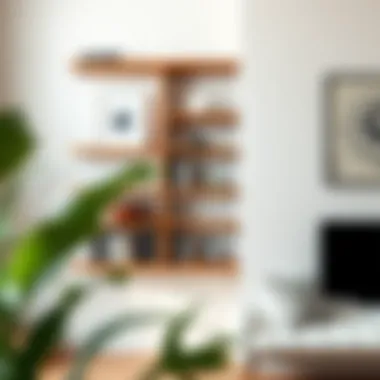
A floating corner bookshelf is a shelf that is anchored to the wall, lacking any visible brackets or supports underneath. This gives it a light, airy feel, which contributes to the illusion of space—especially in smaller areas. The primary purpose of these shelves is to maximize corner space that often goes neglected, allowing for creative display arrangements while keeping the floor free for movement. Introducing books and decorative pieces in such an innovative manner can greatly improve the functionality and aesthetics of any room.
Historical Context
The concept of floating shelves is not something born of modern trends; the roots trace back to earlier forms of wall-mounted shelving from various cultures. In the mid-20th century, with the rise of minimalist design philosophies, these shelving options gained traction. Architects and designers began to appreciate the functionality of going vertical—they started seeing walls as blank canvases that could be transformed into dynamic storage units. Today, floating corner bookshelves have adapted further with custom designs and sustainable materials, endorsing a more eco-friendly approach to interior decoration. This evolution illustrates not just a change in style but a deeper understanding of how we interact with our living spaces.
Design Variations of Floating Corner Bookshelves
Diving into the realm of floating corner bookshelves, one might quickly recognize that there’s more than meets the eye regarding their design variations. Each style comes with its own flair and functionality, allowing homeowners and designers to curate spaces that resonate with personality and practicality. The design variations influence not just aesthetic appeal but also how effectively these bookshelves utilize often-overlooked corner spaces. A well-chosen design can elevate a room by instilling a sense of harmony and making the most out of tight quarters.
Contemporary Styles
When one thinks about contemporary styles in floating corner bookshelves, sleek lines and innovative designs come to mind. These shelves almost seem to float, using hidden brackets that create a clean, minimalist look. Materials like plywood or medium-density fiberboard (MDF) are often favored for their versatility and ease of customization.
For example, a corner bookshelf crafted from reclaimed wood can add a touch of rustic charm to modern interiors. This juxtaposition forms a unique conversation starter and allows creativity to flow without alienating traditional decors.
Moreover, contemporary bookshelf designs often emphasize function. Some come with integrated lighting options—think LED strips or even spotlights—that highlight the books or decorative items nestled on the shelf. This not only adds flair but also transforms corner nooks into usable art galleries.
Traditional Designs
Contrasting with the contemporary, traditional designs hark back to a more classic aesthetic. Here, ornate brackets, carved details, and richer wood finishes prevail. A deep mahogany or a dark cherry wood floating bookshelf can bring warmth to a space and create a feeling of timelessness.
A noteworthy trend involves built-in cabinetry that incorporates floating shelves as part of a larger design scheme. These setups often include decorative moldings or crown detailing that radiate elegance. One could imagine a cozy study, with rows of novels well-organized on shelves nestled in corners, where the scent of aged paper mingles with the atmosphere, making one feel truly at home.
In traditional designs, the craftsmanship becomes the centerpiece, inviting appreciation and admiration.
Minimalist Aesthetics
Minimalism aims for simplicity without sacrificing functionality. When it comes to floating corner bookshelves, this means a lean design that emphasizes clean, uncluttered lines. Often constructed from materials such as glass or light wood finishes, minimalist shelves artfully draw attention to the space around them while remaining understated.
The beauty of a minimalist shelf lies within its ability to serve as a blank canvas. Complementing the rest of a room’s decor means these shelves should align with principles of functionality and aesthetics. You might find the shelves tailored to hold select books, houseplants, or a few decorative knick-knacks—all arranged in a layout that is pleasing to the eye.
Furthermore, incorporating color harmony into these designs contributes to a serene visual experience that some homeowners aim for. Neutral palettes and softer colors can create an impression of airiness, promoting a calm ambiance and making the space feel less cramped.
In summary, the design variations of floating corner bookshelves offer homeowners an incredible range of opportunities to personalize their space. Each design—contemporary, traditional, or minimalist—carries with it unique features that enhance aesthetics, function, and overall decor cohesion. Choosing the perfect variation can not only optimize space but also transform corners into standout features in any room.
Materials Used in Floating Corner Bookshelves
When it comes to floating corner bookshelves, the materials chosen can make all the difference in terms of functionality, aesthetics, and durability. The right material not only affects the overall look of the shelf but also determines its weight capacity, ease of installation, and maintenance needs. Various materials can complement different styles of decor in a home. Let's explore these materials in detail to help you make informed decisions.
Wood Varieties
Wood has remained a go-to choice for bookshelves for a long time. Its natural warmth can add a cozy feel to any room. Various types of wood can be utilized:
- Pine: Affordable and lightweight, perfect for a rustic look. Although it may not stand up to heavy loads as well, it can easily be painted or stained.
- Oak: Known for its durability and strength, oak makes for sturdy shelves. Its beautiful grain adds character, fitting well in both traditional and modern settings.
- Maple: With its fine, consistent grain, maple lends a sleek finish. It is a hard wood that resists wear effectively. Maple is often chosen for minimalist designs.
- Walnut: Often thought of as a premium choice. Walnut's rich color and fine grain elevates an interior space, but it can also come with a heftier price tag.
These wood options can be stained or left natural, depending on the desired appearance. Although wood often comes with some level of maintenance, its classic charm is hard to beat.
Metal and Industrial Materials
Metal adds a contemporary edge to floating shelves, offering a stark contrast to traditional wooden options. It is often used in modern, industrial-style homes and can hold significantly more weight.
- Steel: As a heavy-duty material, steel is capable of supporting heavy loads. It’s also resistant to rust and can be finished in various colors for styling.
- Aluminum: Lightweight yet strong, aluminum is great for those seeking ease in installation without sacrificing strength. It can also be powder-coated for easier cleaning.
- Brass: This luxury material not only is beautiful but can also make a striking statement against a wall. However, brass may require more care to keep it looking its best, as it can tarnish over time.
Using metal elements can create a stunning blend of textures in a room, and they pair well with other materials like wood or glass, providing a unique modern flair.
Glass and Acrylic Options
For a more ethereal look, glass and acrylic are excellent materials to consider. They can give an appearance of depth and openness in a space without making it feel cluttered.
- Tempered Glass: Known for its strength, tempered glass can hold its own against the elements and is relatively easy to clean. It adds a sleek and sophisticated element to homes, allowing light to flow through.
- Acrylic: Lightweight and available in multiple colors, acrylic can mimic the look of glass while offering additional safety. It’s often more cost-effective than glass while still providing a modern appeal.
Both glass and acrylic materials can elevate the design of floating shelves, making them ideal for displaying not just books but also decor items, enhancing the visual narrative of any room.
Choosing the right materials for your floating corner bookshelf is a vital step in achieving both functionality and aesthetic harmony in your living space.
Considering these materials and their unique benefits will empower you to create a floating corner bookshelf that balances elegance with purpose. Each option has its values depending on the desired style and requirements.
Benefits of Floating Corner Bookshelves
Floating corner bookshelves bring a plethora of advantages to any living space. They are not just about storing books; they offer a unique blend of utility and decorative flair that can significantly enhance both functionality and aesthetics in the home. This section breaks down the primary benefits, delving into how these shelves optimize space, elevate the decor, and offer versatile design options.
Space Optimization
One of the most significant advantages of floating corner bookshelves is their ability to utilize space effectively. Traditional bookshelves can dominate a room, making it feel cramped, especially in smaller areas. With a floating corner shelf, you can tuck away books, decorative items, or plants, converting often overlooked corners into functional design elements.
- Maximizing Vertical Space: These shelves leverage verticality, making use of wall space that often goes ignored. By mounting shelves higher, you draw the eye upwards, giving the illusion of a larger room.
- Less Visual Clutter: Unlike bulky furniture, a floating shelf offers a streamlined option that keeps floor space open and minimizes clutter. This can create a cleaner, more organized environment.
- Customizability: The dimensions of floating corner shelves can be adjusted based on the available space, allowing homeowners to fit them snugly in various corners, ensuring that no inch of usable space is wasted.
Aesthetic Appeal
Floating corner bookshelves are not merely functional; they also offer a striking visual element to interiors. The aesthetic benefits they bring to a space cannot be overstated.
- Modern Touch: They imbue a modern and sophisticated vibe. The sleek design breaks away from the conventional, offering a fresh perspective on what shelving looks like in a home.
- Personal Expression: Homeowners can exhibit their personality through how they style their shelves. Those shelves can showcase art, books, or cherished items, allowing for a unique, ever-evolving display that reflects the homeowner's taste.
- Dramatic Effects: Properly arranged, these shelves can create dramatic focal points in a room. By placing them in well-lit areas, one can emphasize their contents, enhancing the overall decor and drawing the eye.
Flexibility in Design
Another compelling reason to consider floating corner bookshelves is their remarkable flexibility in design. They can seamlessly integrate into diverse styles, from ultra-modern to rustic farmhouse vibes.
- Adapting to Various Décors: Whether your home is adorned in vintage chic or sleek minimalism, floating shelves can be customized in materials and finishes to complement any aesthetic perfectly. A natural wood finish works well in cozy spaces, while a metallic or glass shelf suits more contemporary designs.
- Easy to Change: When redecorating, it’s simple to rearrange or replace floating shelves to match new decor trends. This adaptability ensures that the shelves remain relevant as design styles evolve.
- Incorporating Lighting: Floating bookshelves can easily incorporate lighting, such as LED strips that run beneath them to showcase your collectibles or books. This can create ambiance, making the area warm and inviting.
"The beauty of floating corner bookshelves lies not just in their utility, but in how they sculpt the spaces we inhabit, turning the ordinary into the extraordinary."
Floating corner bookshelves are not just a practical addition to a home; they embody strategic design choices that resonate with both form and function. They truly are a testament to the thoughtfulness that goes into intentional interior design.
Installation Techniques for Floating Corner Bookshelves
When it comes to floating corner bookshelves, installation isn’t just a technicality; it’s a vital element that ensures your shelves are both functional and aesthetically pleasing. Getting the installation right can mean the difference between a sturdy shelf that holds your beloved books and a precarious setup that risks damaging both your wall and your collection. Precision in installation instills confidence in your design choices, allowing you to enjoy your bookshelves without worry.
Choosing the Right Hardware
One cannot underestimate the importance of selecting the proper hardware for your floating corner bookshelves. The connection points between the shelf and the wall are crucial for stability.
- Bracket Types: L-brackets, hidden supports, or floating shelf brackets are common options. Each has its advantages depending on the weight capacity required and the shelf depth. Hidden brackets create a seamless look, while L-brackets can support more weight, albeit more visibly.
- Material Strength: Ensure the material is robust enough to handle the weight of the shelves and their contents. Look for heavy-duty steel options or quality wood for brackets. Selecting hardware with a good weight capacity rating is essential for peace of mind.
When reviewing hardware options, consider the design aesthetic as well. A sleek, minimalist bracket may fit a modern style, while ornate brackets serve better in traditional settings.
Leveling and Alignment
Getting your shelves perfectly level is more than just a matter of pride; it's also functional. A tilted shelf can cause items to slide off or even tip over, leading to potential damage. Here are key steps to achieve perfect leveling:
- Measure Twice, Install Once: Before drilling even a single hole, use a measuring tape to mark where you want the shelves to be.
- Use a Level: To ensure that your shelves are straight, place a level on the brackets after installing them. This simple tool can save you from a world of trouble later on.
- Adjustments: If you find that a shelf is off, it’s better to correct it then and there. Minor adjustments can drastically improve the overall look.
Alignment matters not just for aesthetic reasons; it ensures that the load is distributed uniformly. Misalignment could result in sighs of regret down the line when you have to deal with a shelf that begins to sag or, worse yet, collapses.
Safety Considerations
Safety should not be an afterthought when installing floating corner bookshelves. The last thing you want is for your beautifully arranged books to fall on someone or, even worse, cause injury. Here are a few safety pointers to keep in mind:
- Wall Studs: Always try to anchor your shelves into wall studs rather than simply drywall. Using a stud finder is a worthwhile step. Studs can hold more weight and add an extra layer of security to your installation.
- Weight Limits: Adhere to recommended weight limits for each shelf. Every hardware supplier provides guidance on how much weight their brackets can support; respect these limits as if they're gospel.
- Regular Checks: Take the time to periodically check the integrity of your shelves. Look for signs of wear and tear or any loosening of screws or brackets. Preventive maintenance can save you from future headaches.
"A well-installed floating bookshelf is not just about style; it's about safety, function, and peace of mind."
In summary, installation techniques for floating corner bookshelves play a significant role in maximizing functionality while ensuring a pleasing aesthetic. Focusing on the right hardware, ensuring proper leveling, and considering safety can lead to a successful installation that enhances your space rather than detracts from it.
Styling Floating Corner Bookshelves
Floating corner bookshelves serve not only as functional storage solutions but also as expressive design elements within a space. They can dramatically alter the aesthetic appeal of a room, providing unique focal points that invite interest. Understanding how to style these shelves goes beyond mere placement of books or trinkets; it requires an approach that considers color, decor accessories, and organizational strategies for optimal impact.
Color Coordination
Color acts as a powerful tool in interior design, and it’s no different when styling floating corner bookshelves. When selecting colors for your bookshelves, think about how they interact with the surrounding environment. Here are key points to think about:
- Complementary Shades: Coordinate with the wall color; bold shelves against soft backgrounds can draw attention. For instance, a deep navy shelf can stand out beautifully against a soft beige wall.
- Accent Colors: Use colors that pop without overwhelming the space, such as pastel shelves for a white room. These subtle touches can provide delightful contrasts.
- Consistency in Tone: Maintain a balanced palette throughout your home. If your living room uses earthy tones, ensure the corner bookshelves reflect those hues to maintain harmony.
Color coordination also reflects personal style, making your space feel like home.
Incorporating Decor Accessories
Accessorizing your floating corner bookshelves can elevate their functionality while showcasing your personality and interests. Here are some ways to do this:
- Layering Elements: Use books, plants, and decorative pieces to create layers. For example, a stack of vintage books can be topped with an intriguing sculpture, offering contrast in height and texture.
- Rounding Out with Art: A small framed photo or a piece of art can break up the monotony of books and add character. Position art pieces at eye level to maximize visibility and interest.
- Nature’s Touch: Incorporate plants— whether succulents or trailing ivy— to infuse life into the display. Lush green tones can soften the hard edges of shelves and add freshness.
Each piece you select for your bookshelf becomes a conversation starter, reflecting your taste while enhancing the overall design.
Organizational Strategies
Efficiency in organization is essential for maintaining aesthetic appeal and usability of your floating corner bookshelves. Here are some strategies to keep in mind:
- Categorizing: Grouping books by color, size, or genre can create visually appealing patterns. For instance, arranging books horizontally and vertically not only organizes but adds visual intrigue.
- Clear and Visible: Ensure that everyday items or frequently accessed books are at eye level for easier access. Less frequently used items can go on higher or lower shelves.
- Control Clutter: Avoid overcrowding. Less is often more; this lets each item have room to breathe and makes a stronger impact collectively.
By effectively coordinating color, thoughtfully choosing accessories, and adopting clear organizational strategies, homeowners and designers alike can transform floating corner bookshelves from simple storage into sophisticated design features. The key is to let your style shine—remember, the goal is not to just fill space but to enhance it, creating a cozy corner that truly feels like yours.
DIY Floating Corner Bookshelf Projects
When it comes to transforming a space, DIY projects often take the cake. Floating corner bookshelves exemplify the art of marrying function with flair, and creating one yourself can be deeply satisfying. The beauty of these projects lies not only in the end result but also in the process itself. As a homeowner or design enthusiast, constructing your own floating corner bookshelf provides a chance to showcase your style, save money, and tailor the design to fit your room perfectly.
Gathering Materials
Before diving into the fun part of assembly, proper material gathering is crucial. Each bookshelf varies in complexity, but here are the fundamental materials you may need to consider:
- Wood boards: Depending on your desired look (pine, oak, or plywood), the choice of wood can significantly impact the overall feel.
- Brackets: Heavy-duty brackets designed for floating shelves are a must to ensure stability.
- Screws and anchors: Choose appropriate screws based on the weight of the items you'll place on the shelf.
- Sandpaper and stain or paint: For finishing touches that enhance aesthetics.
- Tools: A drill, level, and measuring tape are essential in this process.
As you gather, remember to think about the overall design. A warm, stained wood may lean rustic, while clean white can evoke a minimalist vibe. The materials you choose will set the tone for the entire project.
Step-by-Step Instructions
Now that you’ve assembled your materials, it’s time to get down to brass tacks. Here's a simple yet effective process to create your floating corner bookshelf:
- Measure Your Space: Identify the corner where you’ll install the shelf. This helps in determining the dimensions of the wood boards you’ll need.
- Cut the Wood: Align the wood with your measurements and cut. Use a circular saw or handsaw, ensuring your edges are smooth.
- Sand the Edges: Take sandpaper and smooth any rough edges. This step is vital not only for aesthetics but also for safety.
- Stain or Paint: Apply your finish choice and let it dry completely, allowing for two coats if desired.
- Locate Wall Studs: Use a stud finder to locate the studs in the wall. This will ensure that your bracket installation is anchored properly.
- Attach Brackets: Fix the brackets to the wall at the desired height, ensuring they are level. Use strong screws to hold them securely.
- Secure the Shelf: Place your newly finished shelf onto the brackets, double-checking the level before tightening anything down.
Enjoy your work! Each step adds another layer to your personalized home decoration.
Creative Ideas for Personalization
Once the bookshelf is hanging, it’s time to add your personal touch. Personalization can range from how you style the shelf to the decorative elements you choose:
- Layered Decor: Stack books both horizontally and vertically for visual interest.
- Plants and Greenery: Incorporating succulents or small potted plants can bring life to your shelf. Green elements lighten up the space and create a welcoming environment.
- Artwork and Frames: Add framed photos or small pieces of art that resonate with your style. Give the eye various points of interest without overcrowding the shelf.
- Practical Items: Don’t shy away from functional decor, like sleek storage boxes for miscellaneous items. These can help keep your space organized while still looking chic.
Whether you choose to go bold with vibrant colors or keep it subtle with neutrals, make the design reflect your personality. Remember, the essence of a DIY project is that it’s uniquely yours. Your floating corner bookshelf will not only serve as storage but also a statement piece in your home.
Floating Corner Bookshelves in Different Spaces
Floating corner bookshelves serve more than just aesthetic purposes; they play a vital role in enhancing the functionality of any room while making the best use of available space. Integrating these shelves into various environments allows homeowners and designers to introduce unique storage solutions without overwhelming the visual composition of a room. With a myriad o f styles, sizes, and materials available, floating corner bookshelves can adapt to each specific space's needs and themes, ultimately enriching the overall ambiance.
Living Rooms
In the living room, where space often becomes a premium, floating corner bookshelves can be a game changer. They provide a perfect blend of storage and design flair. Instead of bulky furniture that clutters the room, a well-placed floating bookshelf can hold books, decorative items, or even plants, drawing the eye and creating a focal point. A corner unit can easily fit into an underutilized nook, transforming it into an area of interest.
Moreover, these shelves can complement the aesthetic you wish to achieve. If your living room exudes a cozy, rustic vibe, incorporating wooden shelves with a lived-in finish can enhance the homey feel. In contrast, sleek metallic or glass shelves can align with modern or minimalist designs.
Here are a few factors to consider:
- Placement: Ensure that shelves aren't blocking light sources or important views in the room.
- Compatibility: Match the materials and colors with existing furniture to maintain coherence.
- Access: Position shelves at a height that makes accessing items easy but still visually engaging.
Home Offices
Home offices are another space where floating corner bookshelves shine, offering not only storage but also opportunities for organization and creativity. These bookshelves help keep essential items close at hand without taking up floor space. Papers, supplies, and books can be organized neatly, minimizing clutter and distractions. Additionally, a tidy workspace can boost productivity and improve focus, which is immensely beneficial for remote workers.
In a home office, one could use floating bookshelves to separate visual territories and design zones. For instance, creating a corner dedicated to reference books or inspiring decor can foster creativity. A pop of color on the shelves or unique shelving shapes can jazz up an otherwise monotonous office setting.
When planning your home office, keep these considerations in mind:
- Functionality: Decide what each shelf will hold, from heavy books to smaller decorative objects.
- Style: Choose a design that reflects your professional persona, whether corporate and polished or casual and creative.
- Lighting: Good lighting enhances functionality; consider spotlighting your bookshelves for additional ambiance.
Bedrooms and Beyond
In bedrooms, floating corner bookshelves open up a multitude of possibilities. They can house favorite novels, serving as a bedside companion or as a stage for personal mementos, like photos and travel souvenirs. Rather than bulky nightstands, these shelves lend a more airy feel to the space, making the room seem larger than it is.
Additionally, these shelves can be utilized in children's rooms, creating a playful display for toys or storybooks while instilling a sense of order.In guest rooms, they offer the added benefit of providing storage for guests, which can make a stay more comfortable.
Key considerations for bedrooms include:
- Safety: Ensure shelves are properly secured, especially in children's rooms, to avoid accidents.
- Theme: Match the shelves with bedding and decor styles to create a harmonious environment.
- Functionality: Consider incorporating a shelf for a reading nook or as a space for prized items, which can enhance the personal touch to the room.
"A floating corner bookshelf can transform an empty corner into a functional and stylish centerpiece, proving that every nook and cranny has potential."
By considering the diverse aspects of placing floating corner bookshelves in different spaces, one can significantly enhance the utility and appeal of a home. They not only solve storage dilemmas but also allow for personal expression through design and organization.
Challenges and Solutions with Floating Corner Bookshelves
When thinking about floating corner bookshelves, it’s easy to get lost in the allure of their design and functionality. However, it's also crucial to recognize the challenges that may arise when incorporating these stylish units into your home. Understanding these pitfalls and their corresponding solutions can make the difference between a well-designed shelf and one that frustrates the user.
Weight Distribution Issues
One major challenge with floating corner bookshelves is weight distribution. Unlike traditional bookshelves that stand on the ground and possess a sturdy base, floating shelves rely on wall-mounted brackets or support systems that can sometimes be flimsy if not installed correctly. This can become a real pain in the neck when you start loading books and other items onto them. Too much weight in an unbalanced manner can lead to the shelf sagging, or worse, falling off the wall entirely.
To avoid these issues, it’s wise to follow several practices:
- Use Appropriate Hardware: Always invest in high-quality wall anchors and brackets specifically designed for the weight you plan to support.
- Distribute Weight Evenly: Place heavier items on the bottom while lighter ones can go up top. This helps maintain stability and reduces strain on the brackets.
- Regularly Check on Stability: A quick glance every few months can prevent potential disasters. If you notice any signs of sagging, reevaluate your bookshelf’s load then adjust accordingly.
"Proper installation is the key to making floating corner bookshelves not just functional but also safe for your home."
Style Mismatches
Another common hurdle homeowners encounter is style mismatches. Perhaps you're enamored with the idea of a sleek industrial bookshelf, but your living room leans towards a cozy cottage vibe. Choosing a floating corner bookshelf that doesn’t align with the room’s overall aesthetic can not only look out of place, but it can also clash with the existing decor, making the entire space feel disjointed.
To overcome this challenge, consider the following strategies:
- Evaluate the Existing Decor: Assess the colors, materials, and themes present in your space. This insight will help you select a bookshelf that complements rather than contrasts.
- Choose Versatile Finishes: Opt for neutral tones or materials that can blend well, such as wood finishes that resemble other furniture pieces in the room.
- Incorporate Personal Touches: Customization can adjust the style to fit your vision. Adding personal decor or unique items on the shelf can help it feel more integrated into your specific space.
Incorporating floating corner bookshelves into your home can be a rewarding choice, but it requires careful consideration of potential challenges. By addressing weight distribution and committing to a cohesive design, you can create a functional and attractive feature in your living area.
The Future of Floating Corner Bookshelves
The concept of floating corner bookshelves is not just a trend; it represents a shift in how we visualize and utilize spaces in our homes. As urban living becomes increasingly compact, the need for innovative storage solutions that marry style, function, and flexibility is paramount. The future of these bookshelves is bright, as they adapt to both evolving design trends and our changing lifestyles.
Emerging Trends in Design
In the vibrant world of interior design, trends are like the seasons; they change, evolve and sometimes, even come full circle. For floating corner bookshelves, several notable trends are beginning to shape their future.
- Geometric Shapes: Designers are experimenting with more daring shapes beyond the conventional rectangular format. Triangular or hexagonal shelves are gaining traction, allowing for creative arrangements that can stand out as focal points in a room.
- Dynamic Color Schemes: While natural wood tones remain timeless, vivid colors and even patterns are becoming popular. For instance, rich blues or greens, layered with other textures, can enliven a dull corner.
- Tech Integration: Home automation is taking off, and floating bookshelves are not left behind. Integration of smart lighting or Bluetooth speakers into the shelves is an interesting idea, turning a simple storage unit into an interactive experience.
Identifying and adapting to these emerging design trends will not only make a floating corner bookshelf serve its purpose effectively but also elevate the overall aesthetic of the living space.
Sustainability in Materials
As discussions around climate change become louder, sustainability is a driving factor in design choices, including floating corner bookshelves. Consumers are increasingly aware of their environmental impact and seek solutions that align with their values.
- Reclaimed Wood: This is one of the most popular materials that designers are gravitating towards. Using reclaimed timber not only promotes sustainability but also adds character and history to new furniture pieces.
- Bamboo: Strong and renewable, bamboo is making waves in furniture making. Its rapid growth cycle makes it an eco-friendly alternative to traditional hardwoods.
- Eco-friendly Finishes: The push for sustainability extends beyond the choice of wood or material. Using non-toxic and water-based finishes can ensure that the products used in construction are safe for both the environment and its residents.
"Sustainability isn't just a trend; it's a mandate that our future design choices must embrace."
Keeping an eye on sustainable practices not only helps in making environmentally conscious choices, but it also appeals to a clientele that values responsibility and ethics in design. Homeowners, interior designers, and decorators will find that incorporating these practices can yield compelling projects that resonate positively with their audience.